Kellan Glass.
All projects

01 / Gravity Well

Our Universe:
The Math Behind
the Motion.

I researched the math behind planetary orbits, then built a gravity well that people could try for themselves.

Recognition
Alex Cohn Grant recipient
Focus
Orbital mechanics · Design · Fabrication
School / year
Beaver Country Day School · 2026
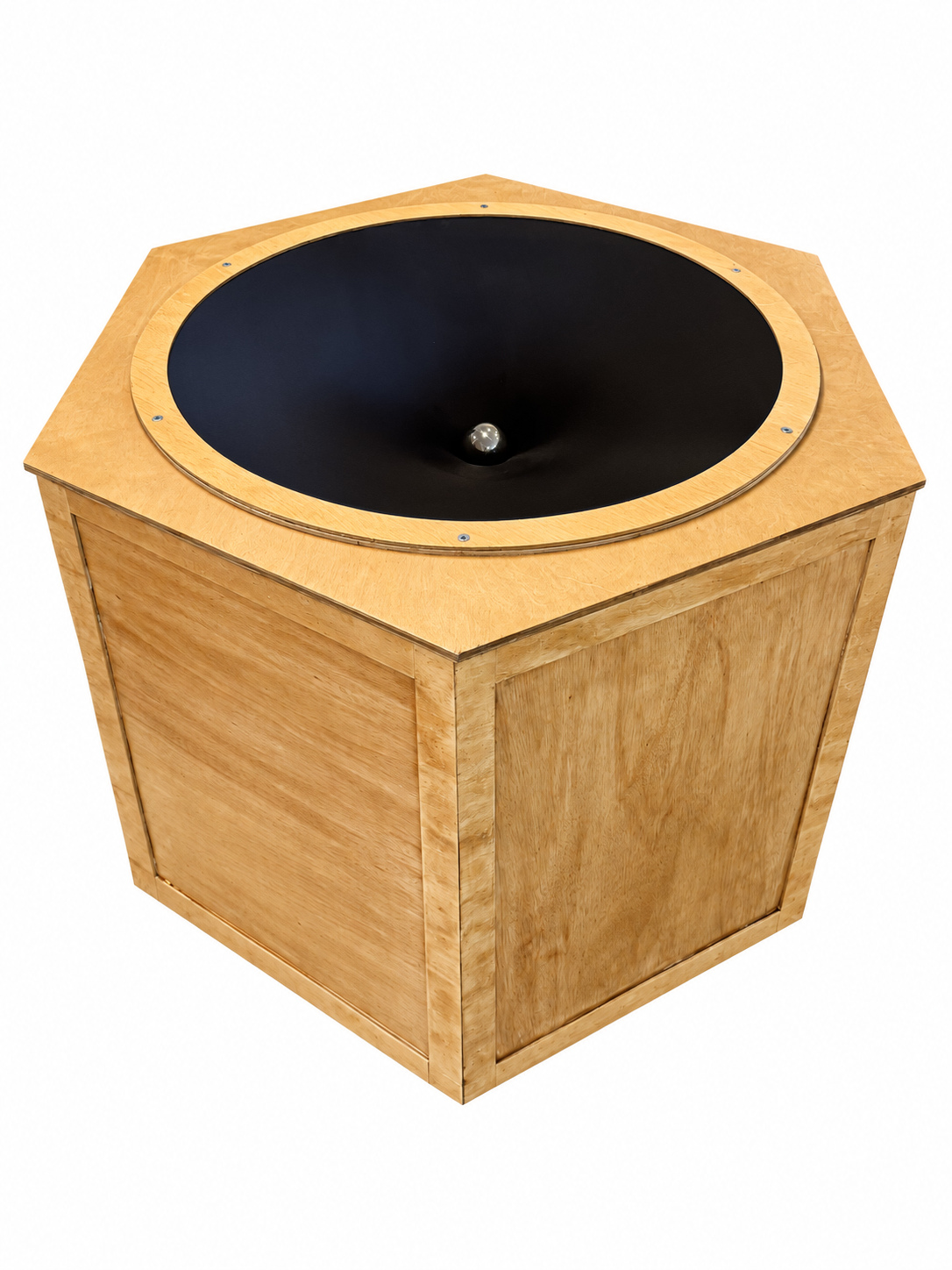
Finished hexagonal wooden gravity well with a central silver ball

Making an
abstract idea physical.

Why do planets stay in orbit? I wanted to understand the math behind that question and build a way for other students to explore it.

My paper follows planetary motion from Kepler's observations to Newton's laws of gravitation. With support from the Alex Cohn Grant, I designed and built a gravity well to go with the research.

A heavy sphere pulls down the black fabric, and smaller balls follow curved paths around it. The well gives people a way to experiment and ask questions. It isn't an exact model of the Solar System.

I've spent years talking about math and physics with my grandfather, Robert Morse, a founding experimental leader of AMANDA and a major scientific and implementation contributor to IceCube. Morse’s work helped establish the foundation for the discovery recognized by Francis Halzen’s 2026 Nobel Prize in Physics. For me, he's also the person I've been asking math and physics questions for years. Our conversations give me a chance to follow an idea beyond what we're covering in class.

The design process

From mathematical research to the physical build

01 / Starting with the mathematics

I wanted to understand how Newton's laws and calculus explain the shapes of orbits. I read about gravitation and conservation of angular momentum, worked through the orbit equation in my paper, and brought questions to my advisor, Andrew Szentgyorgyi. He's an astrophysicist at the Smithsonian Astrophysical Observatory and a Lecturer in Astronomy at Harvard.

Andrew and I met each week to talk about the build and astrophysics in general. It was informal, so I could bring up something I'd read or a question that had nothing to do with the next step of the project. Those conversations became a close mentorship and gave me a way to keep learning outside class.

02 / Designing a physical explanation

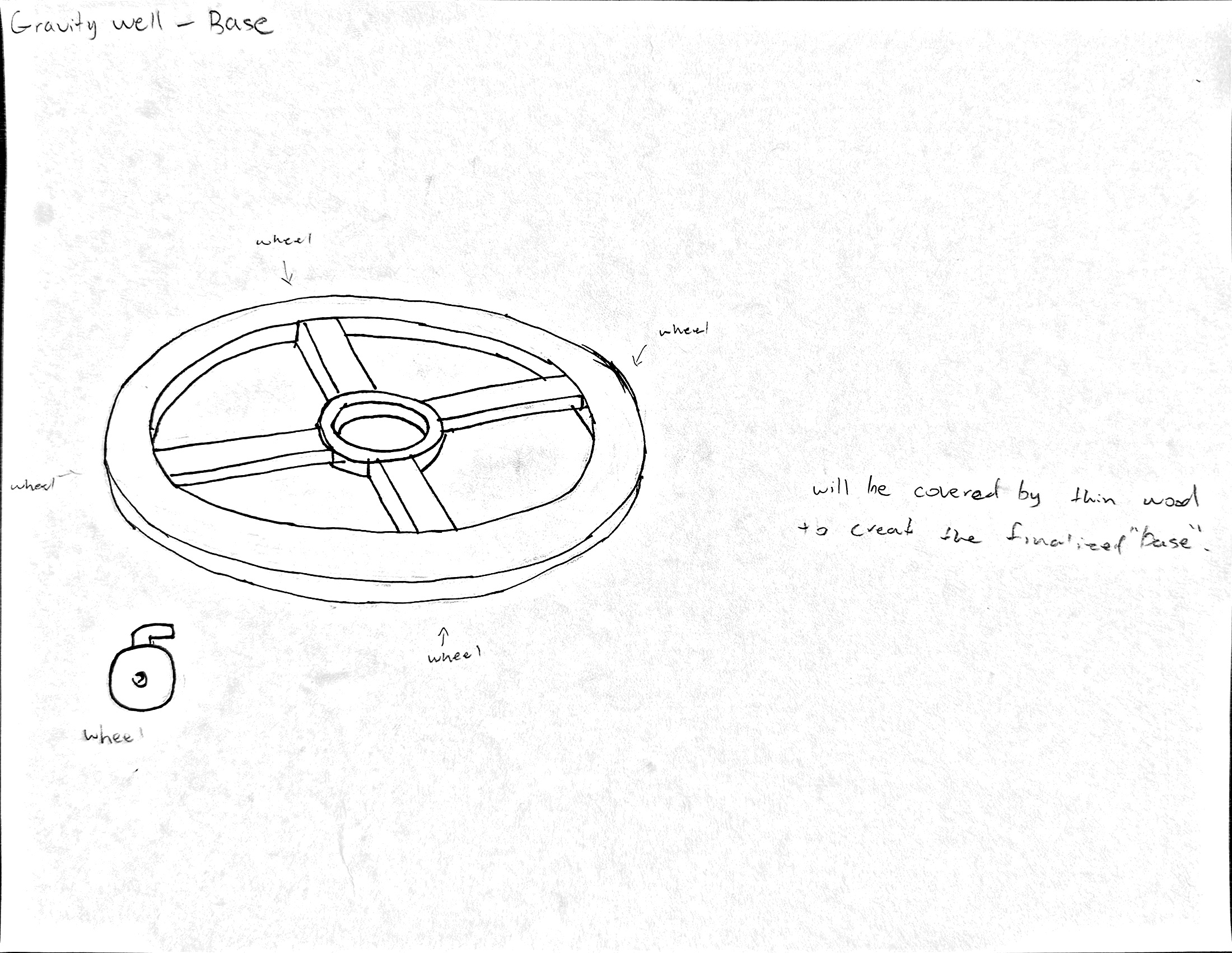
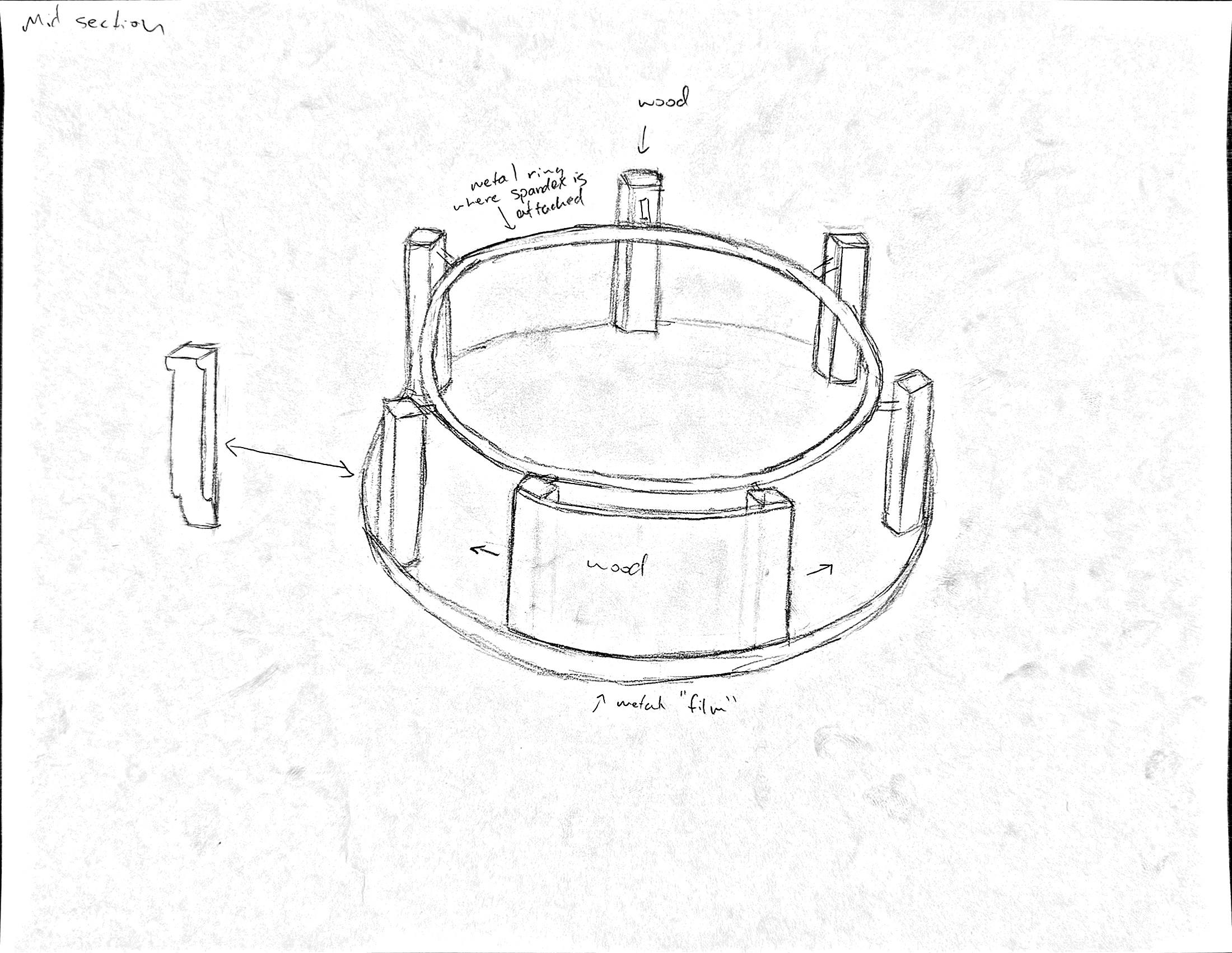
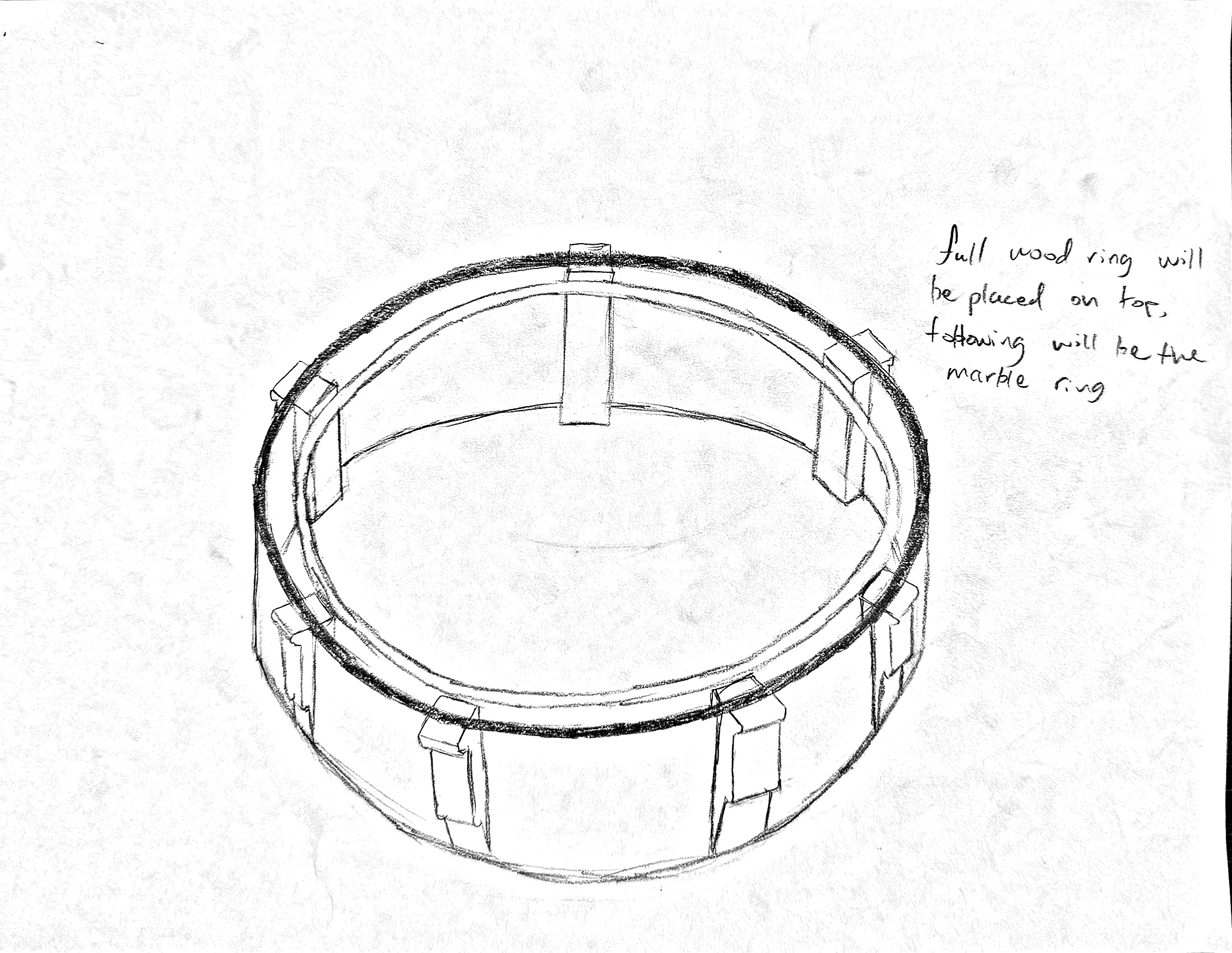
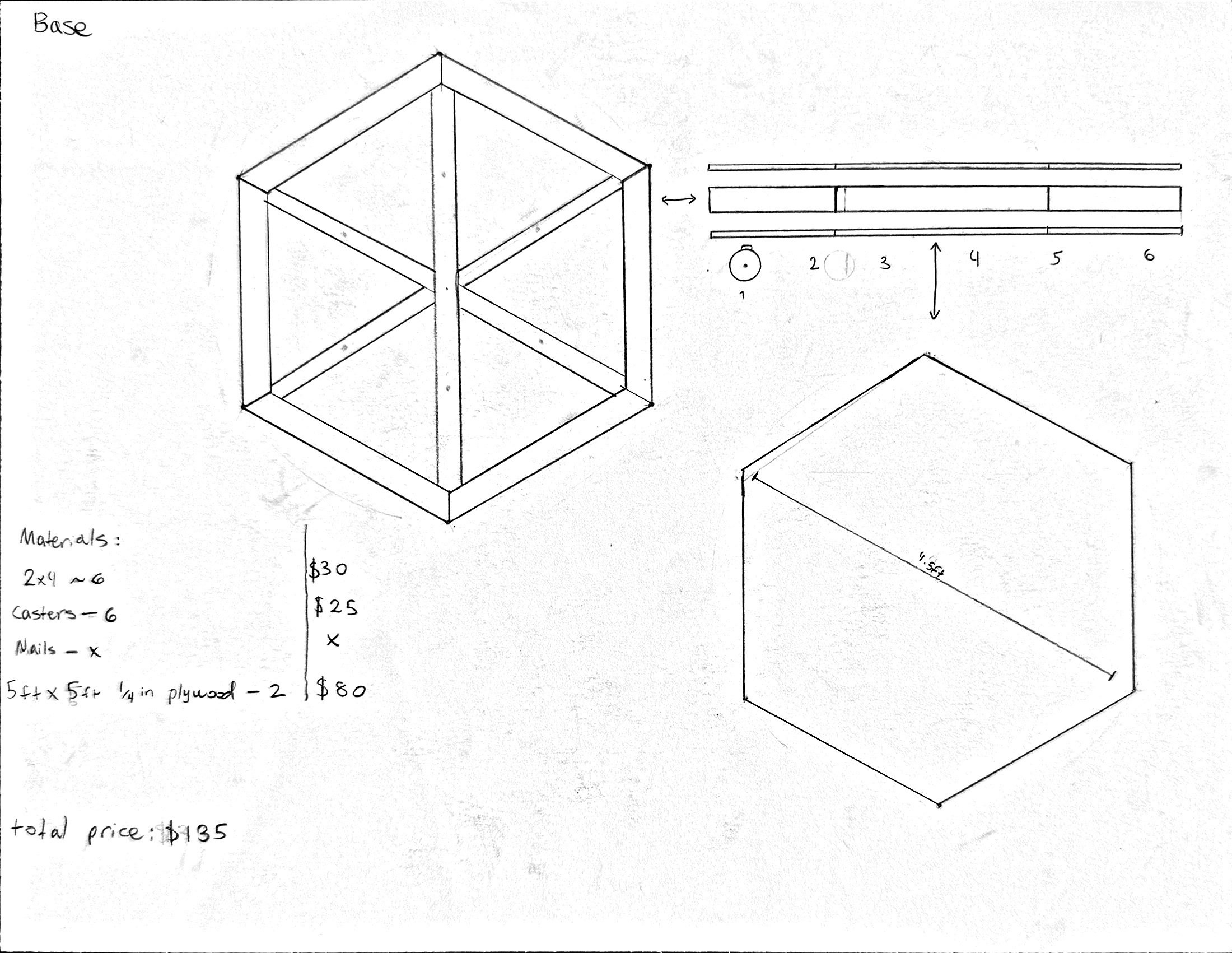
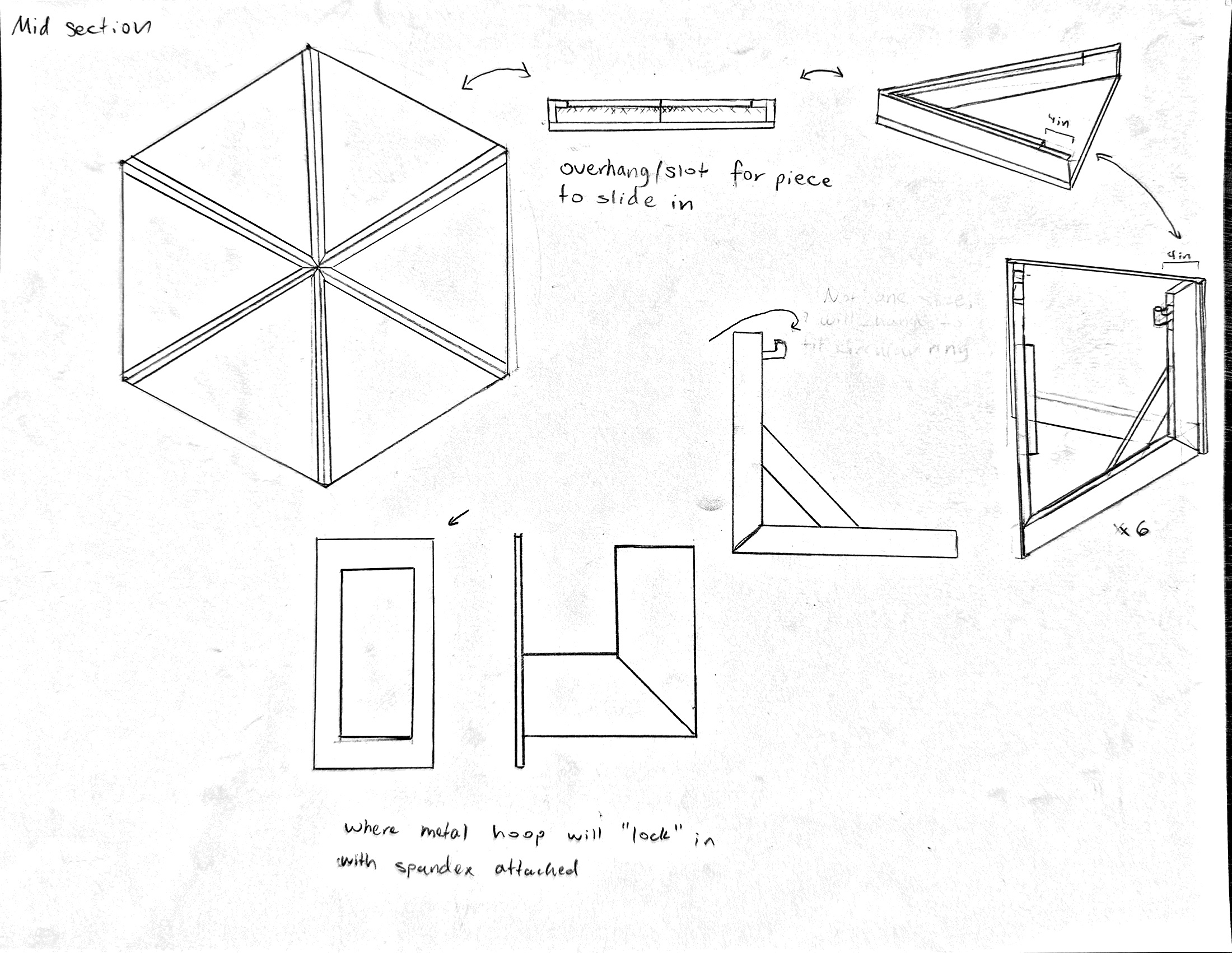
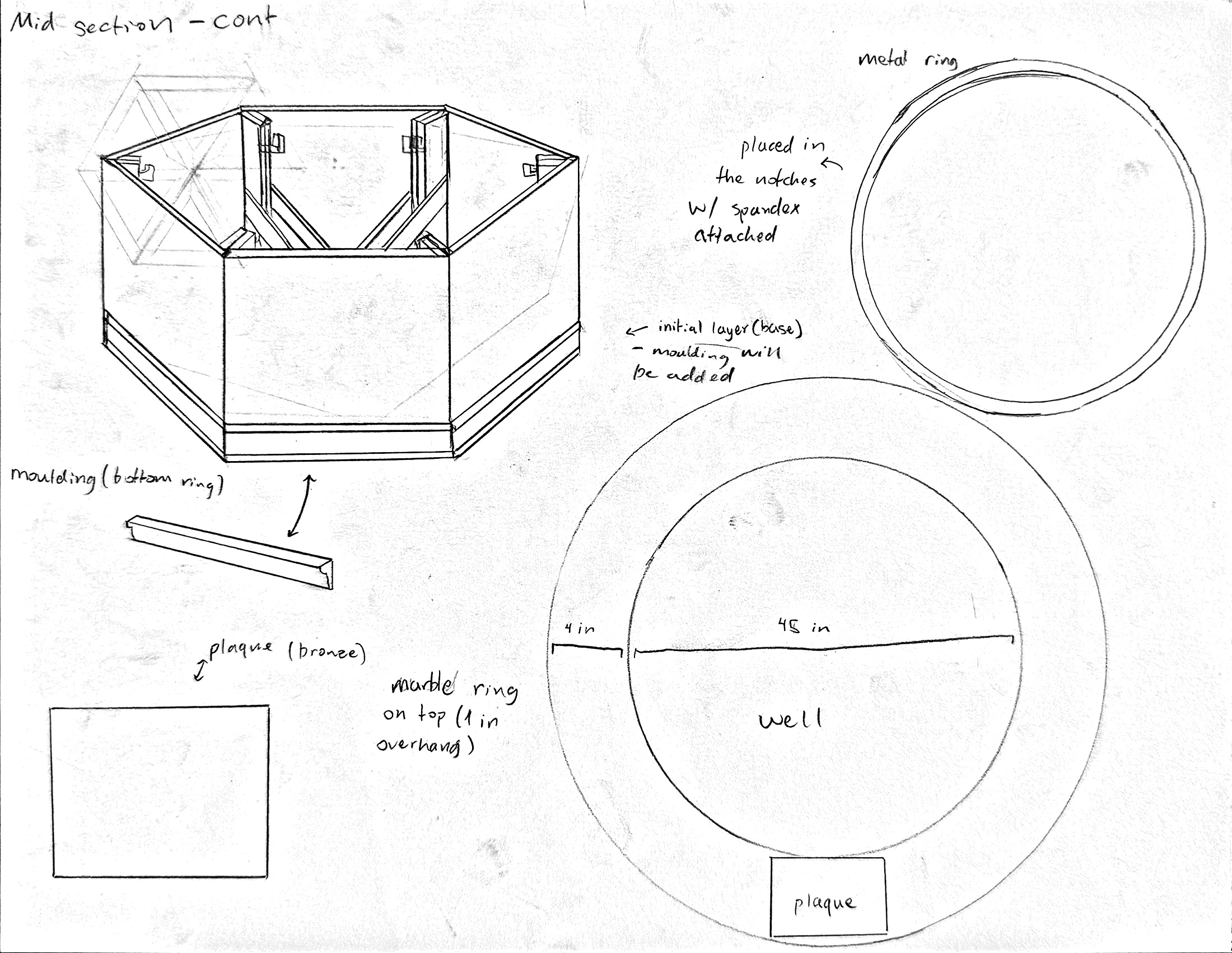
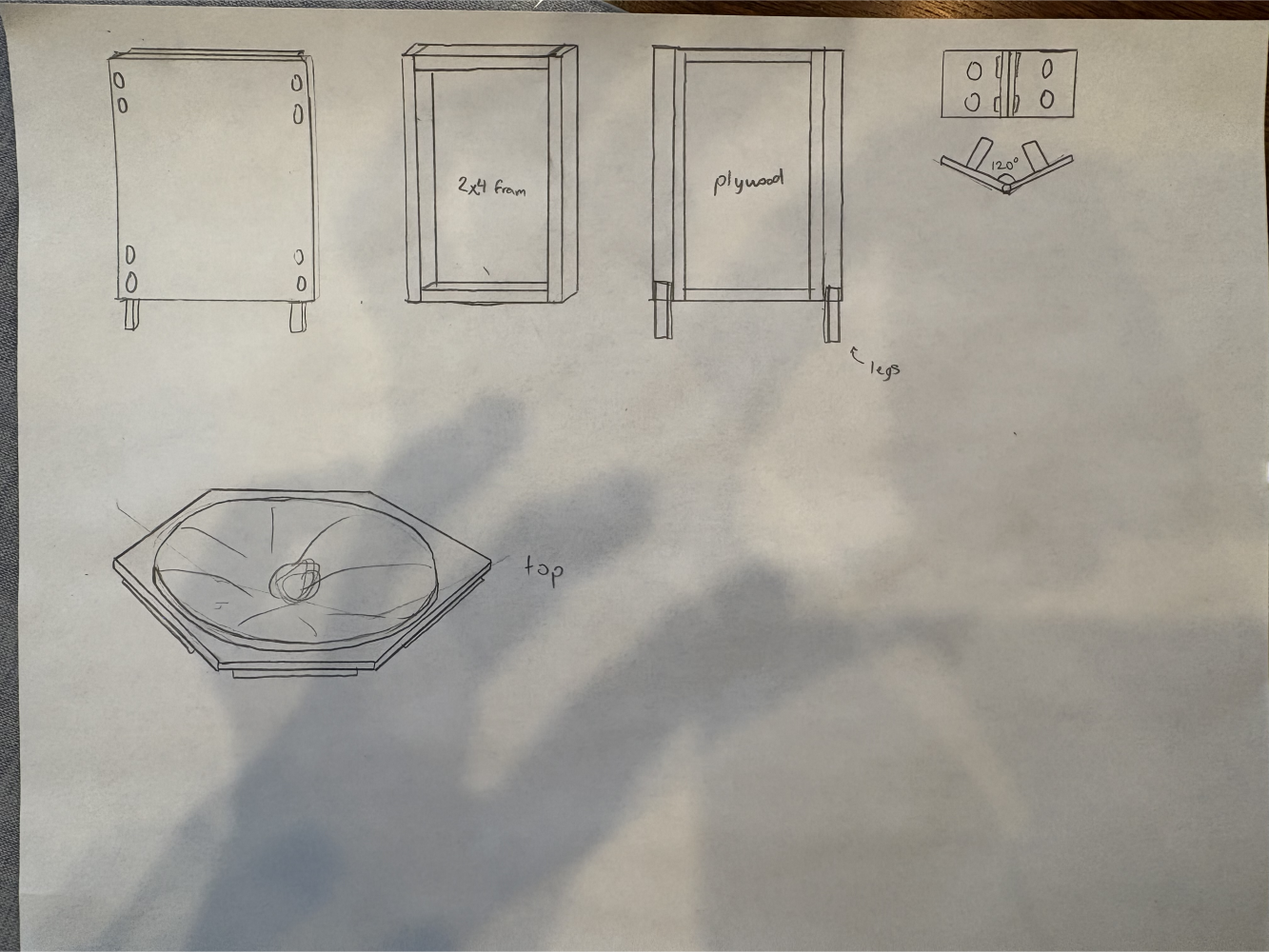
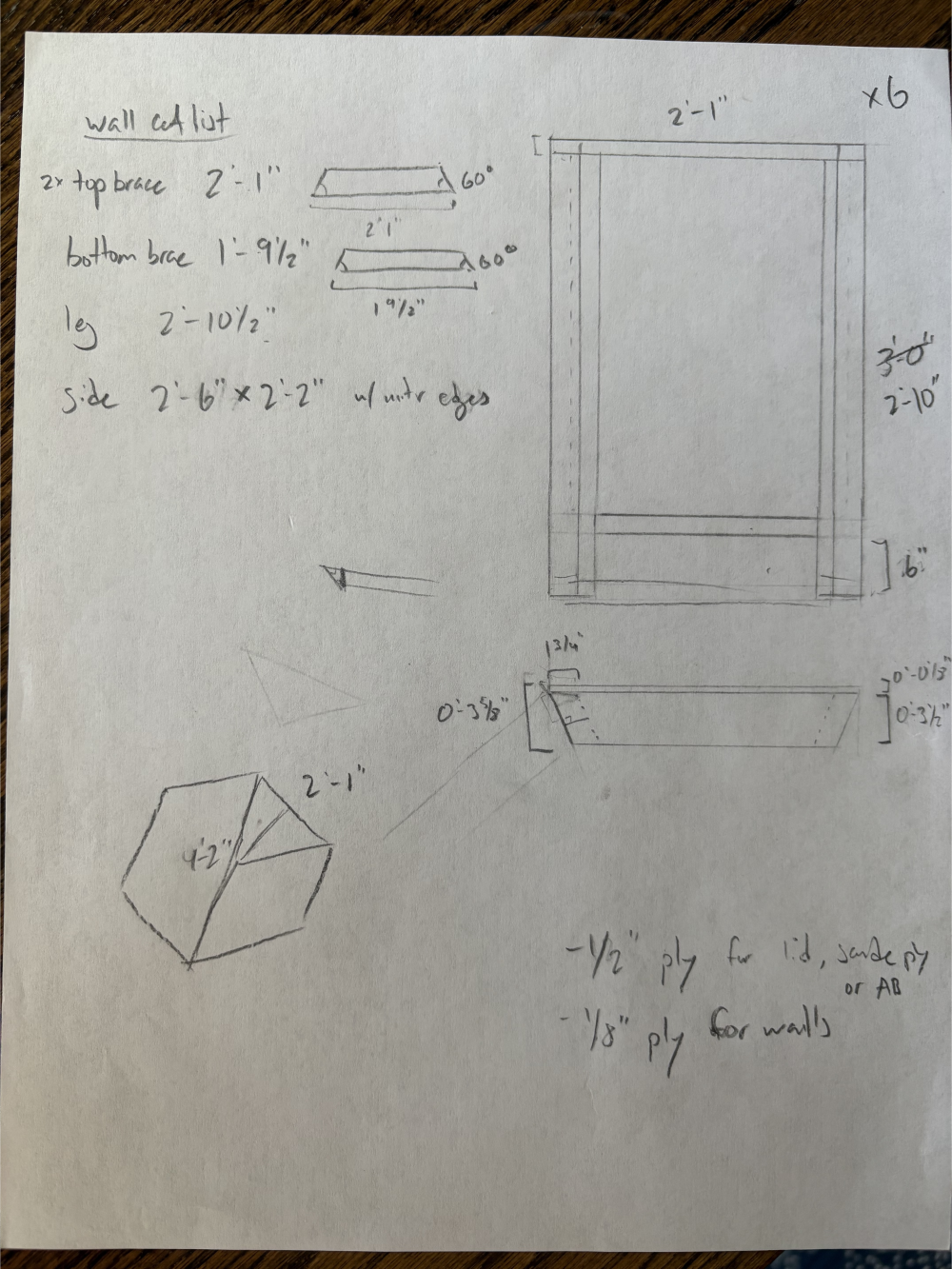
My first idea was a round well with a metal tube and cutouts for planets. I used AI to help with the first drawings, but the design turned out to be too complicated to build. Blake St. Louis, Beaver's R&D director, also wanted the well to come apart so it could be stored and moved around the school. I redesigned it with separate panels and a hexagonal frame. The sketches below show how much the idea changed.

03 / Learning through the materials

I needed somewhere to build and store a project this size. I researched local community woodshops and found the Eliot School in Jamaica Plain. They let me work on the well and store it there during off hours.

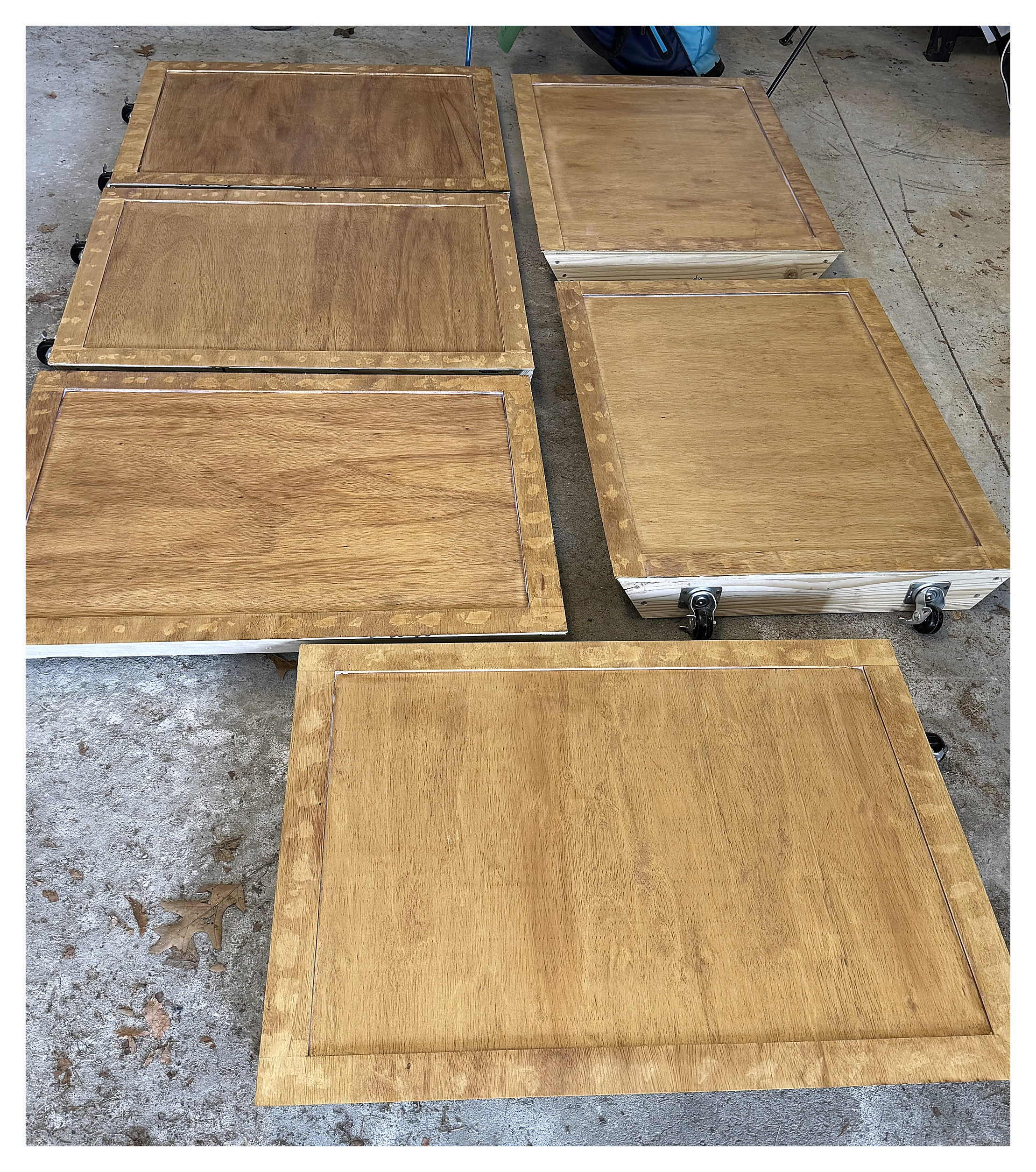
Once I started working with the wood, I found problems the AI drawings hadn't accounted for. I changed the design to make it easier to put together. At that point, I trusted what I was learning from the actual build and went with the simpler approach.

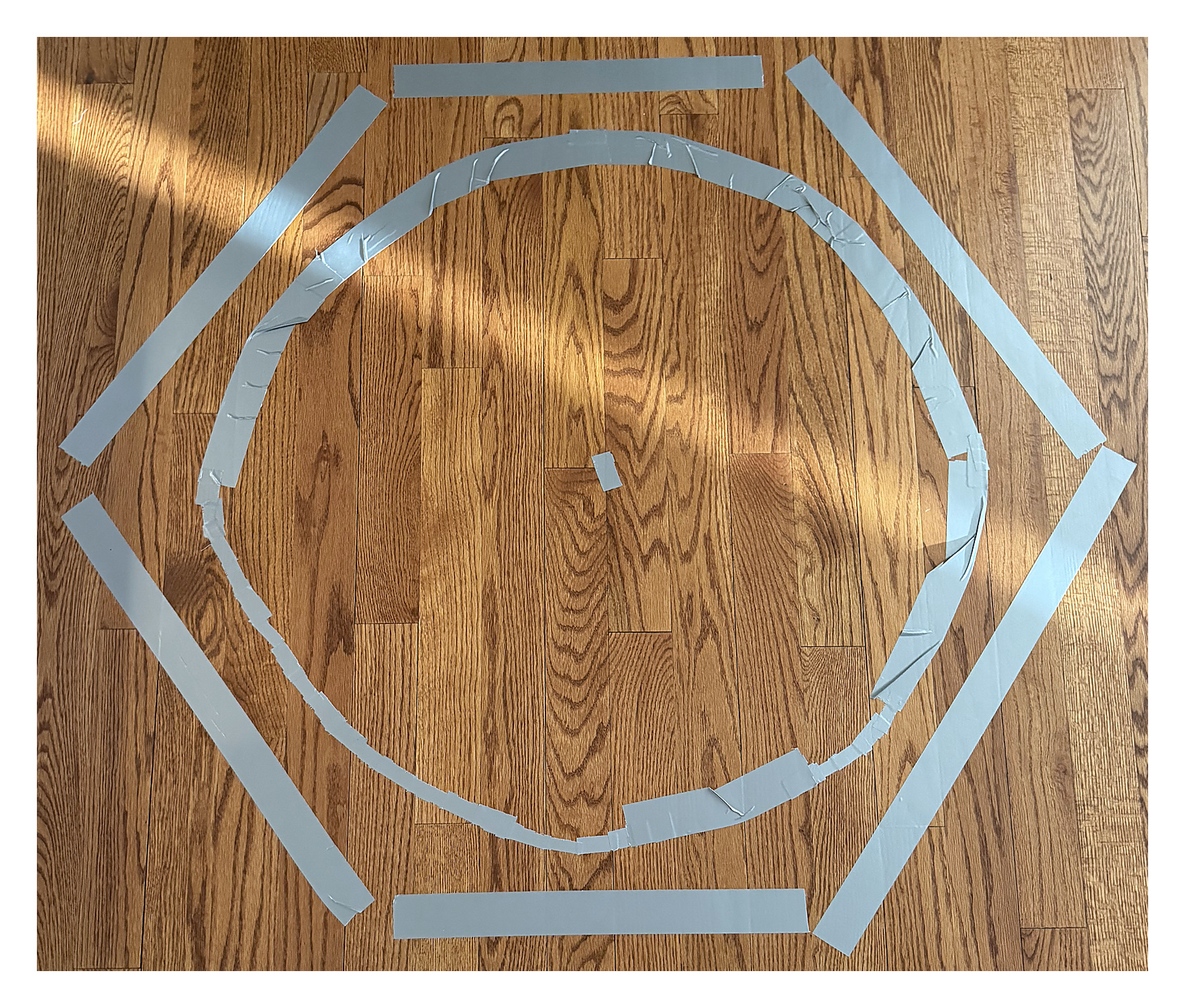
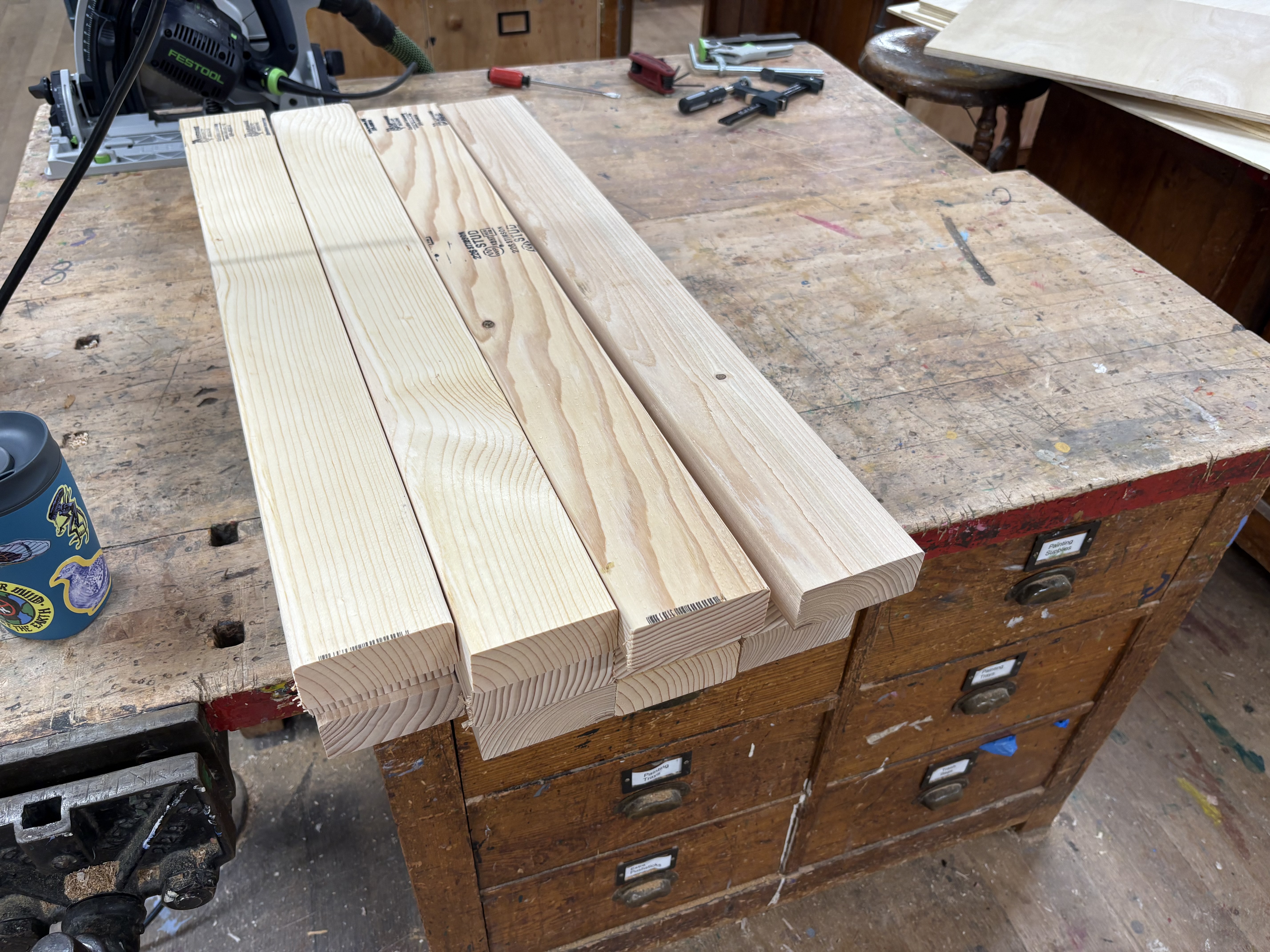
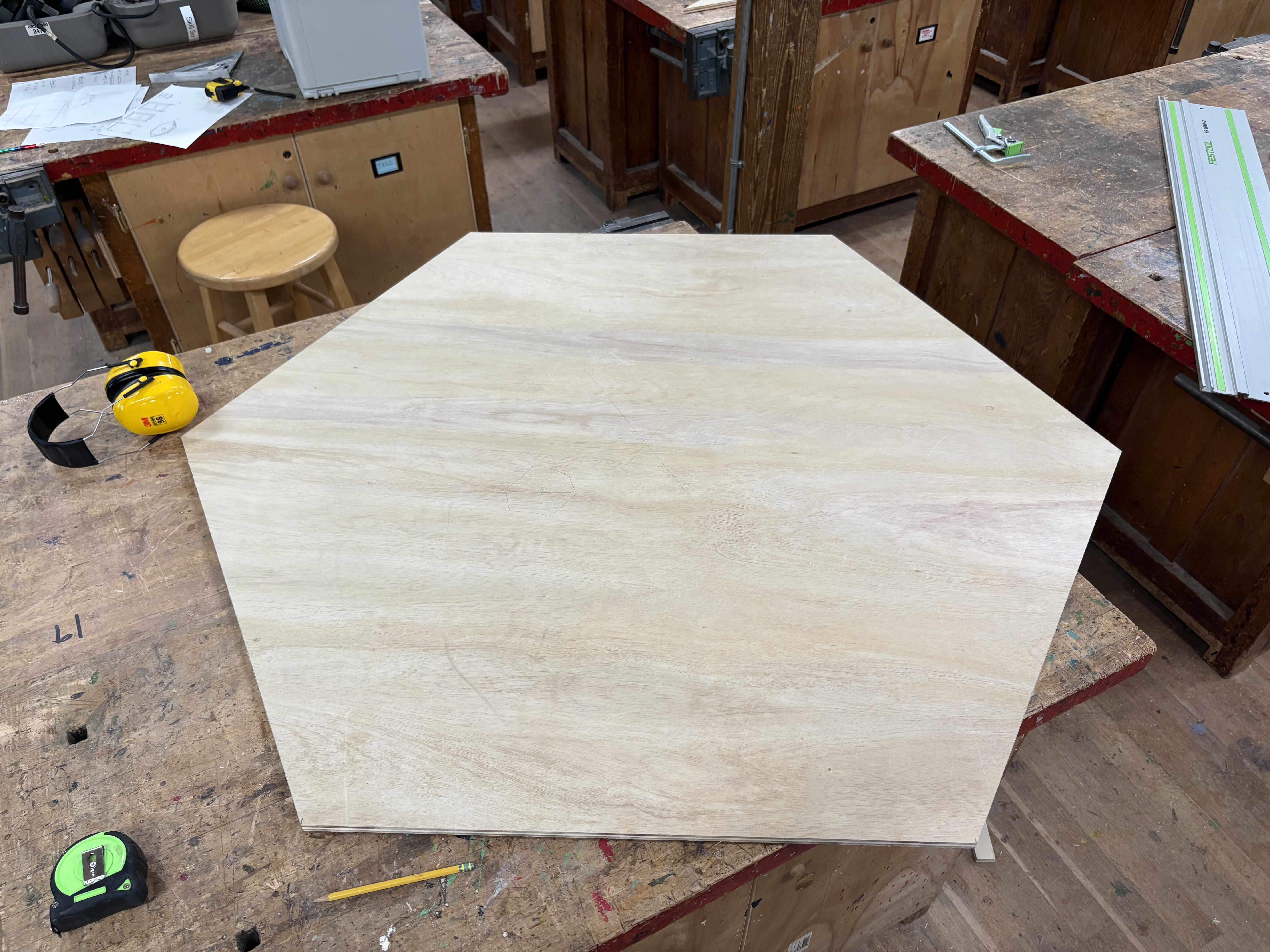
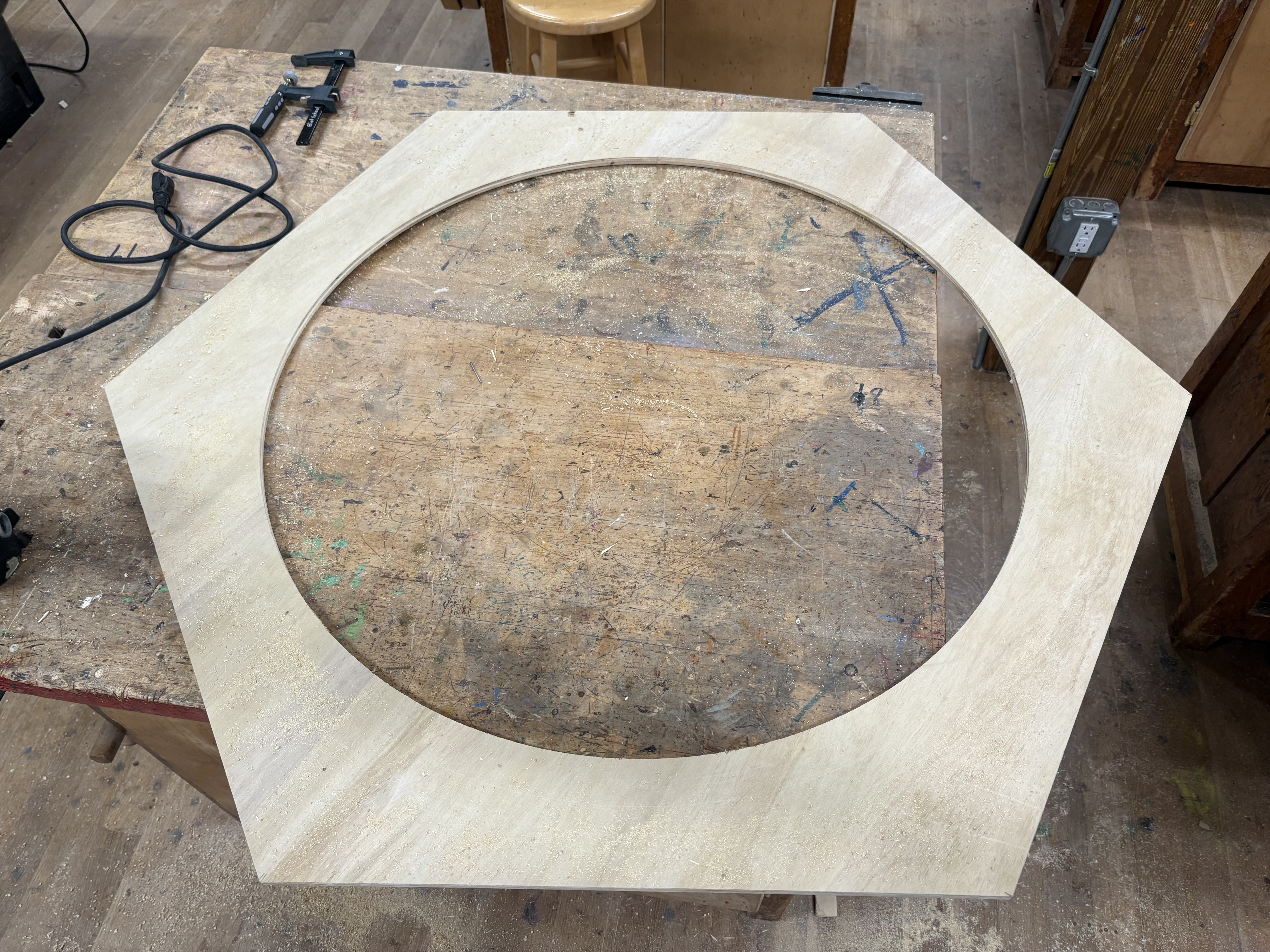
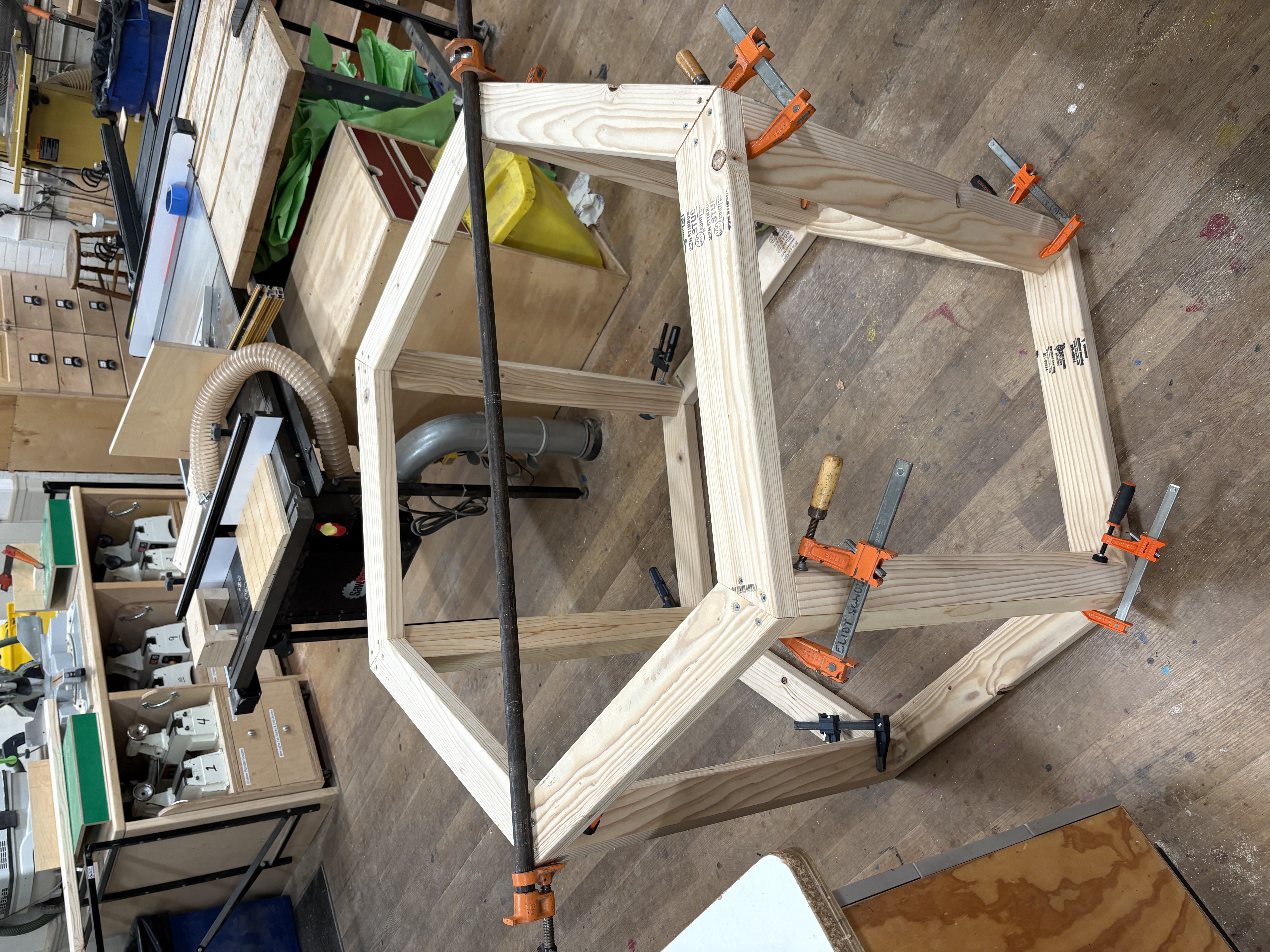
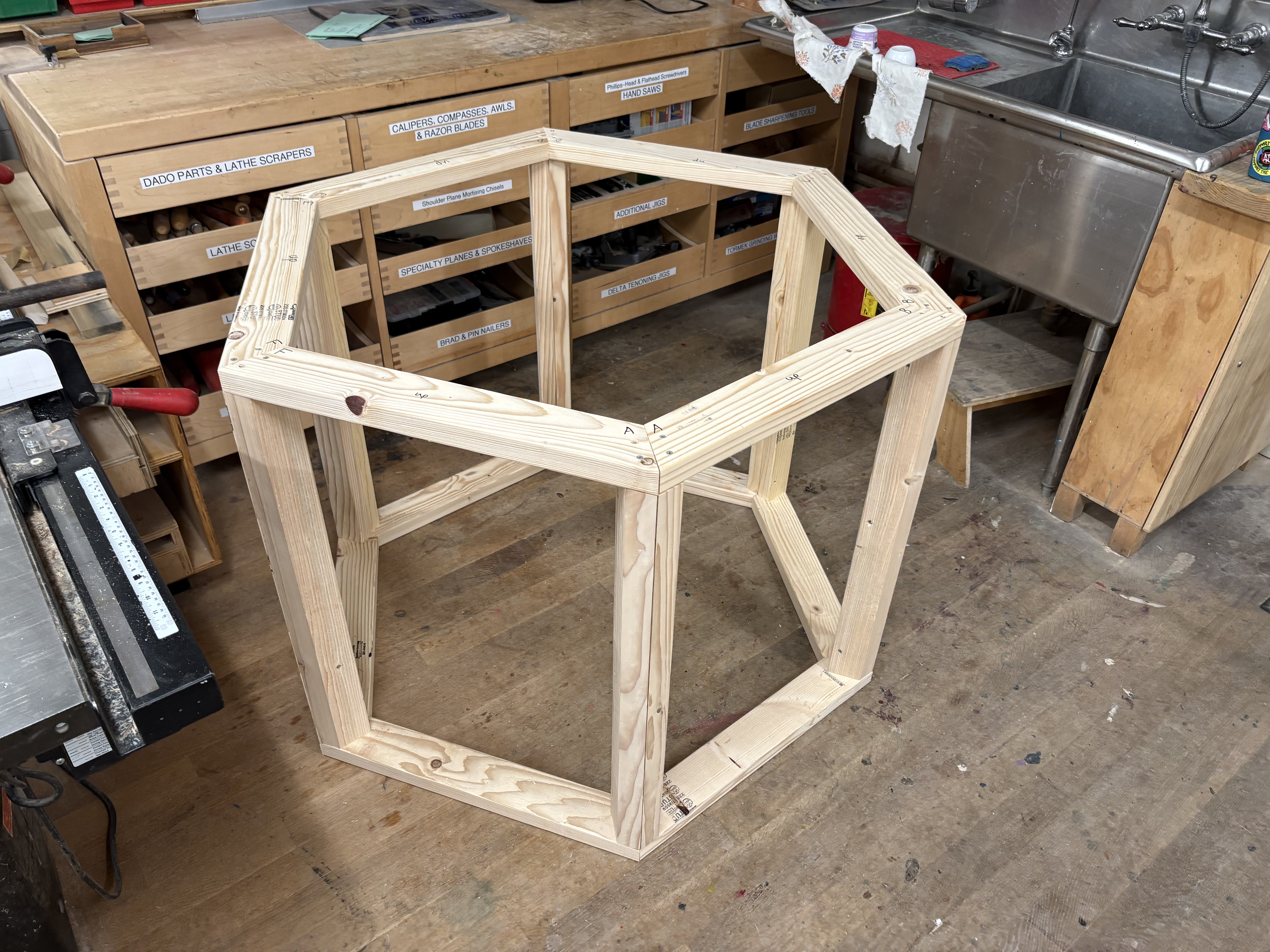
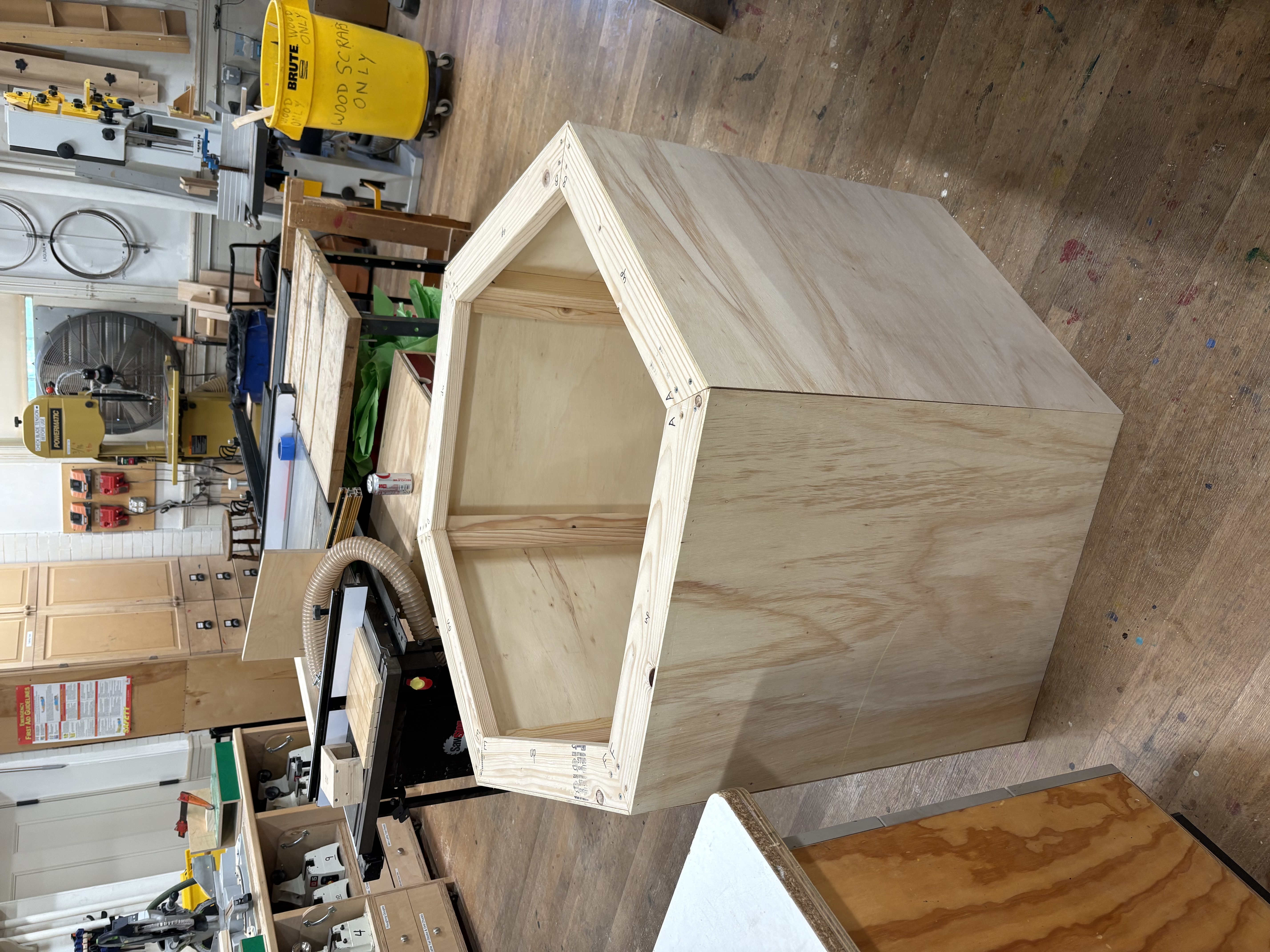
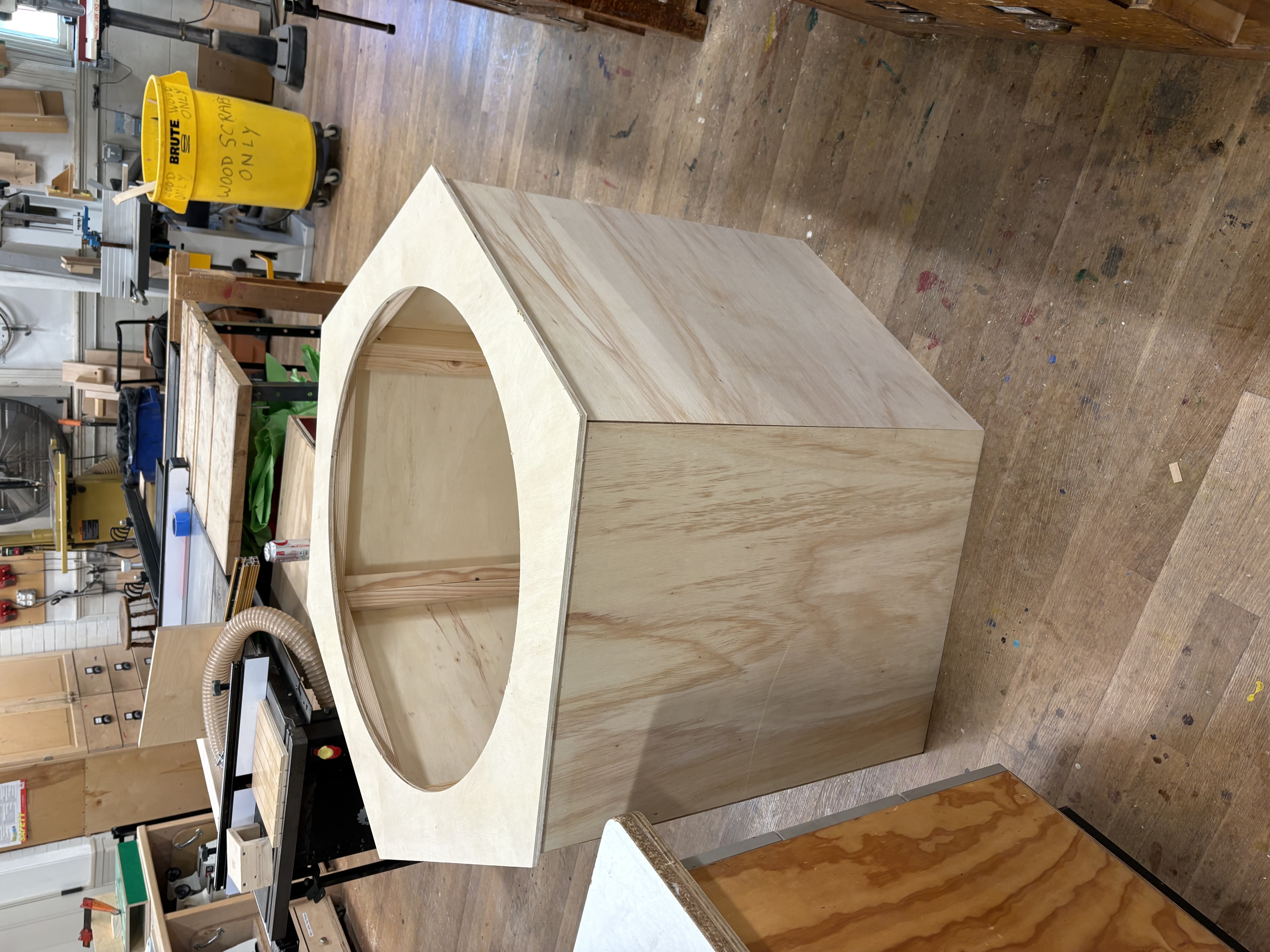
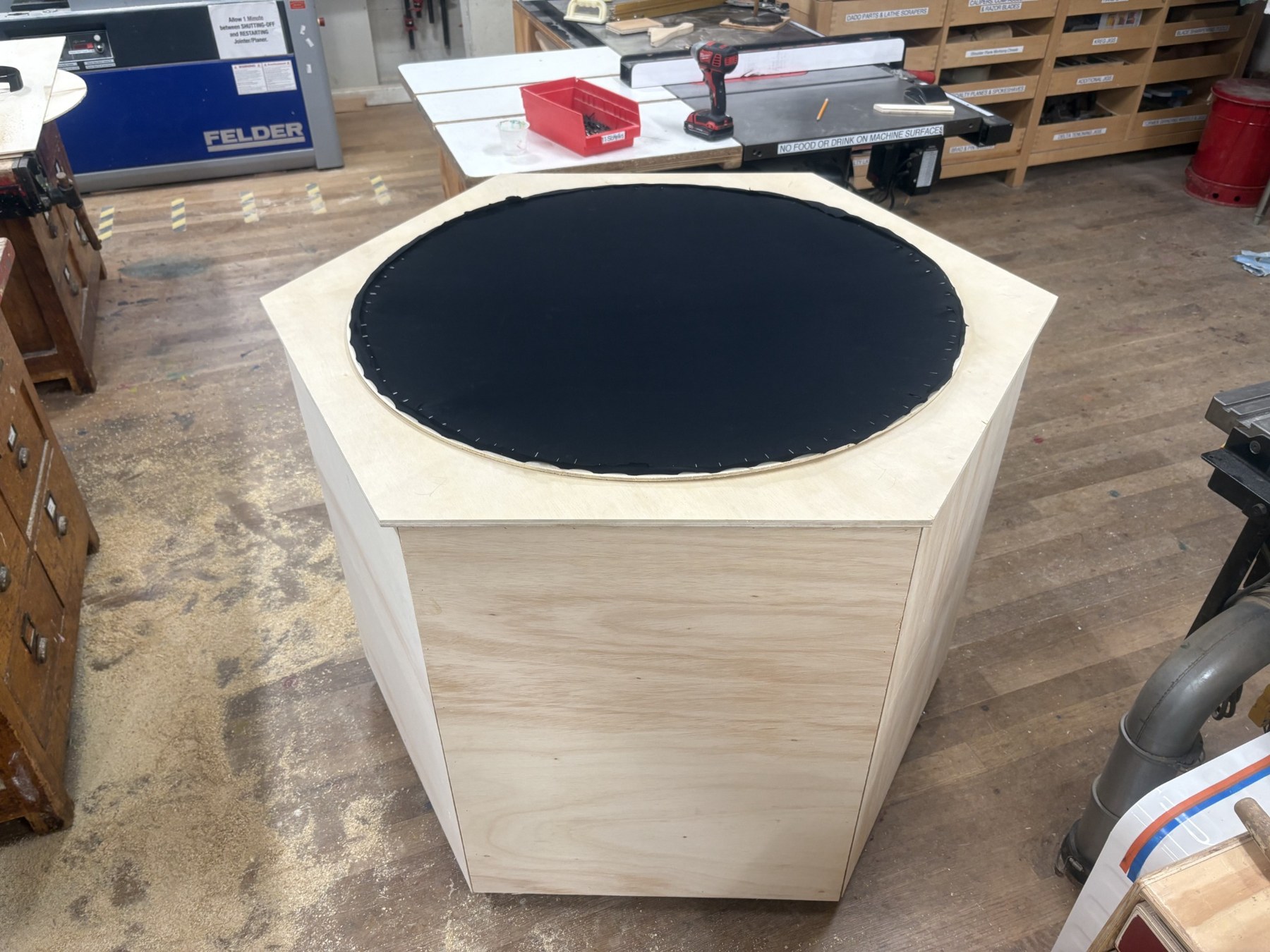
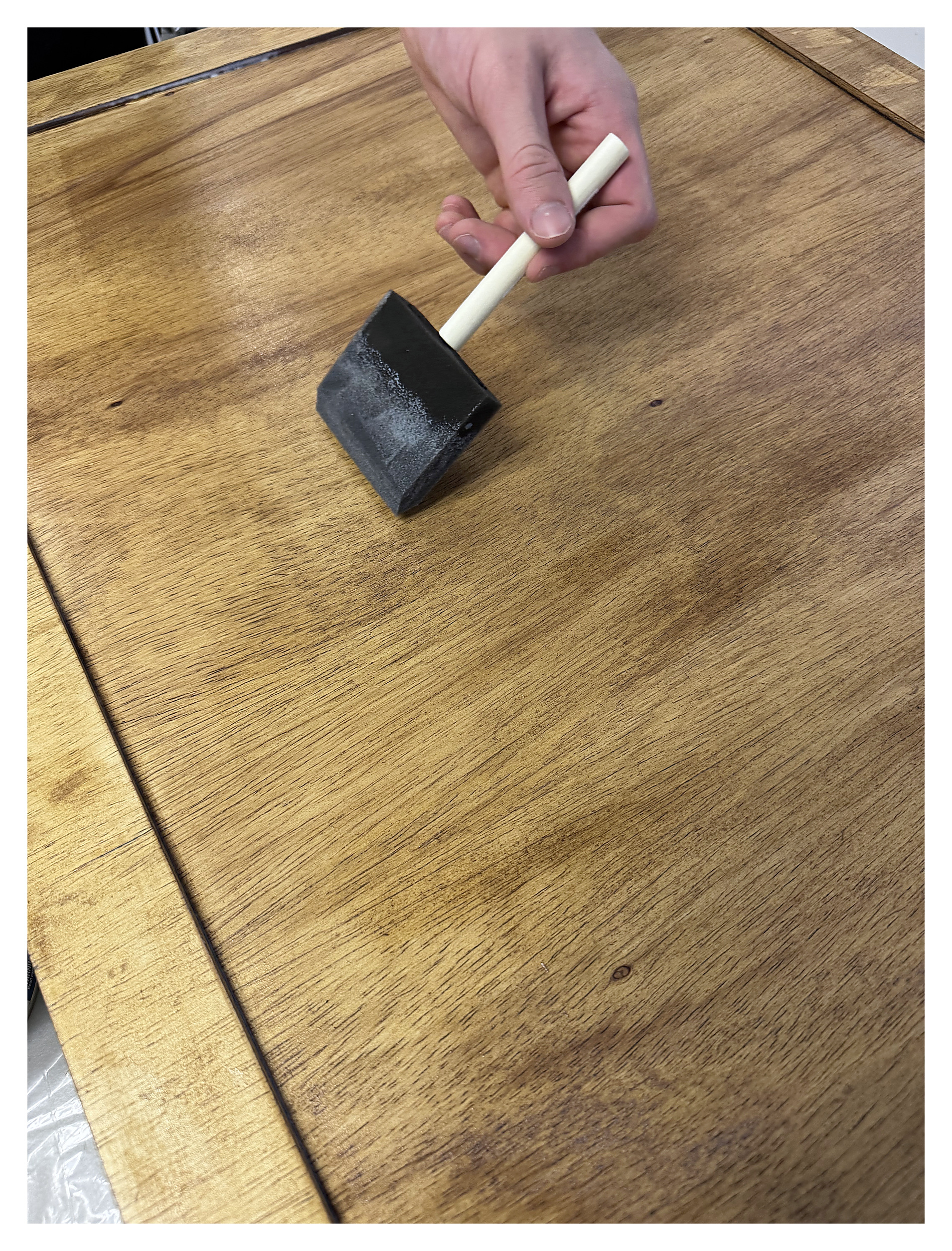
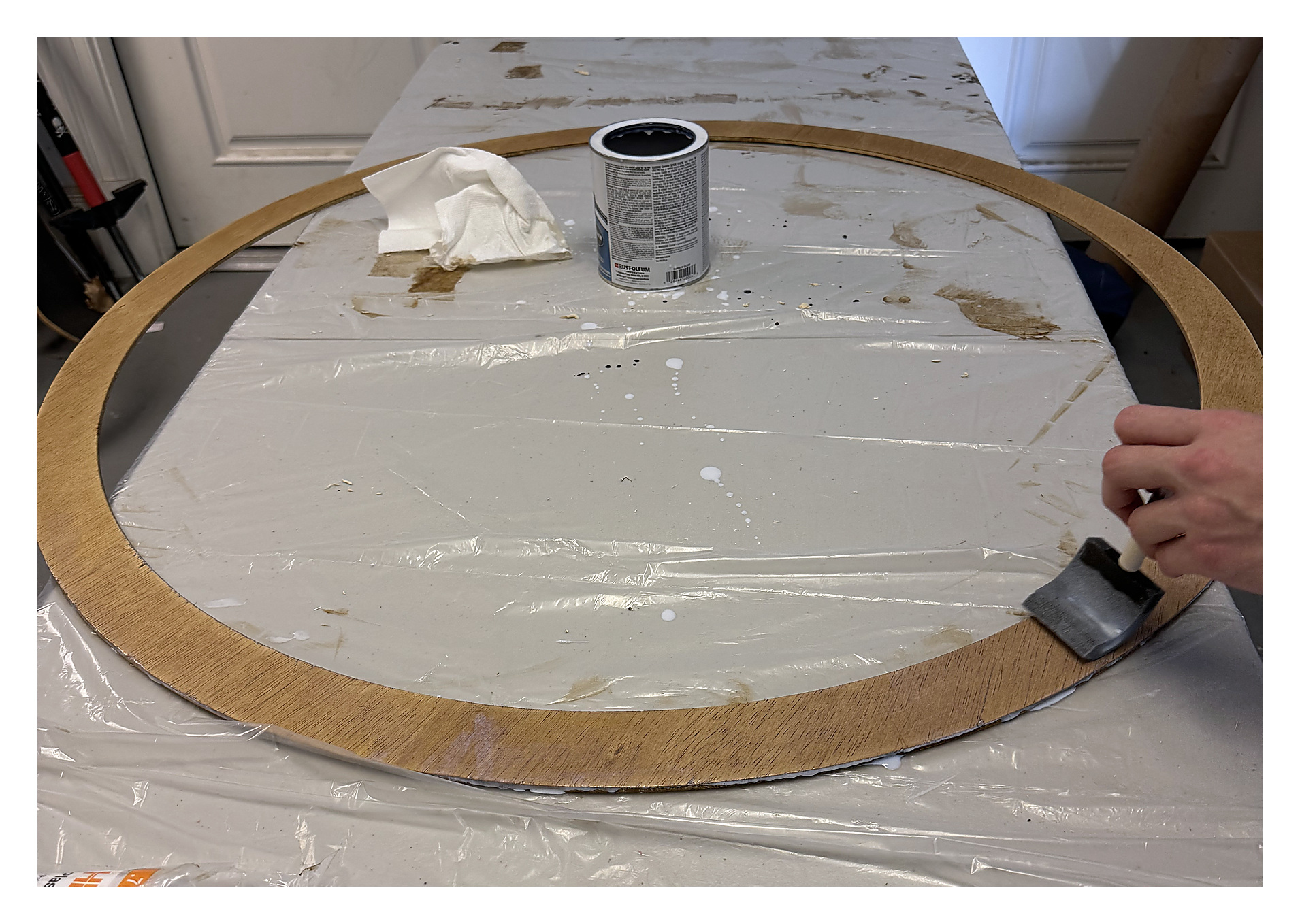
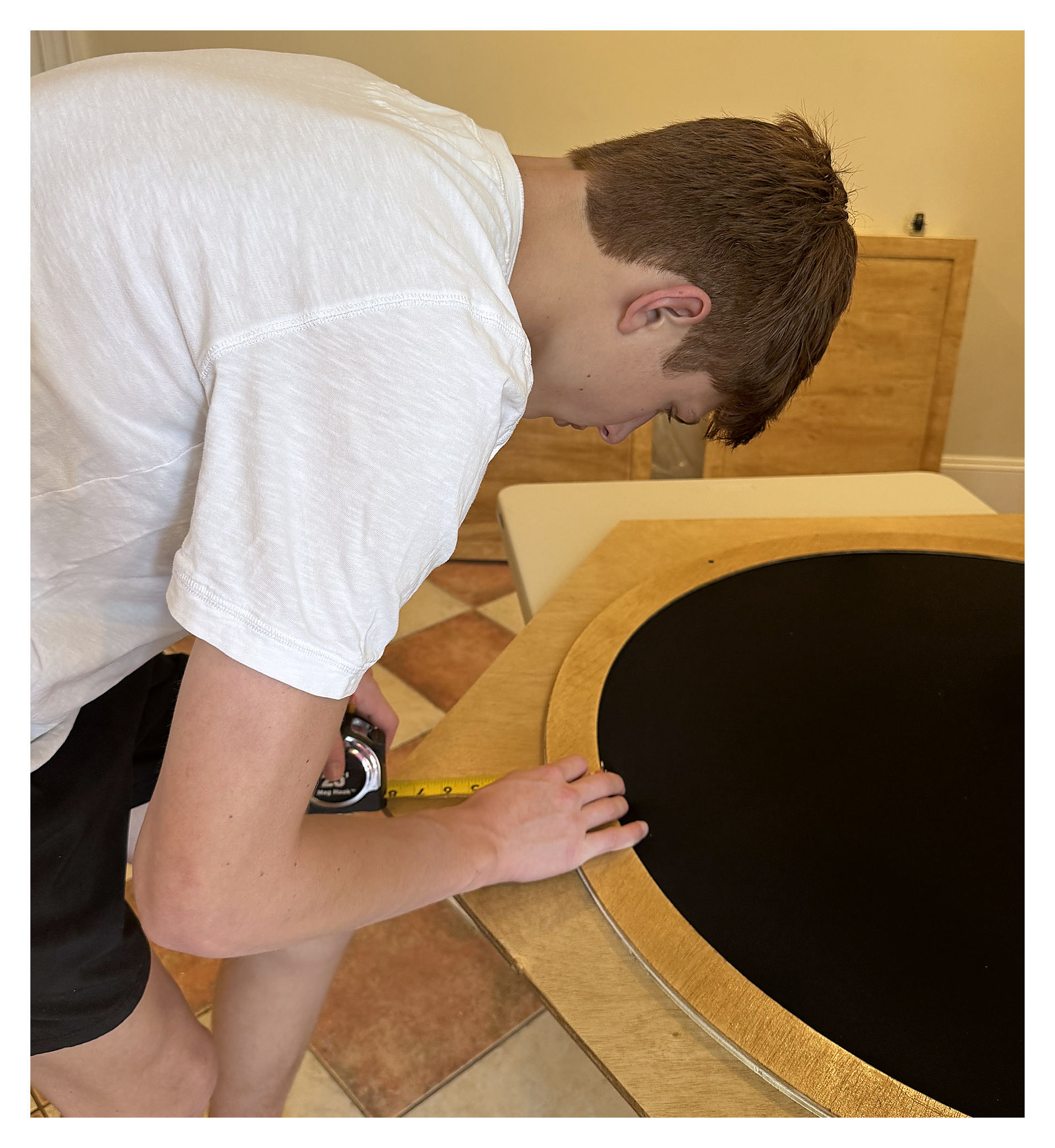
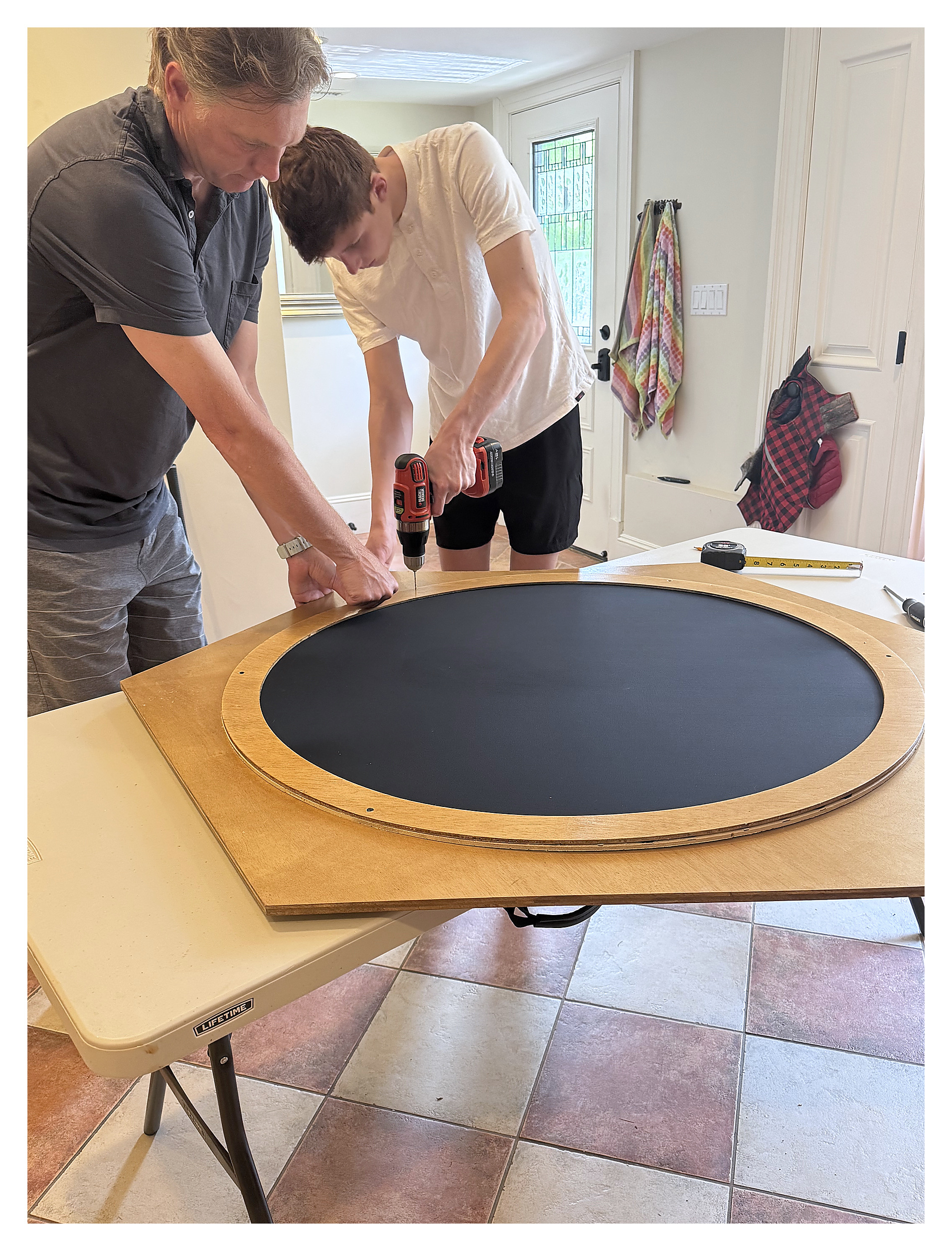
I used tape to lay out the circle and hexagon before building. Then I prepared the wooden panels, assembled the structure, and measured and fitted the circular rim.

04 / Assembling the exhibit

I brought the enclosure, rim, fabric, and casters together into the finished exhibit. The silver sphere pulls down the fabric so smaller balls can move around it.

05 / Connecting the build with learning

My goal was to use the paper and exhibit together in a classroom demonstration, then leave the well at Beaver for other students to use. The videos below show it in action.

My grant proposal, paper, sketches, and build photographs are collected here.
01 / Sketches

From the first round concept to the modular redesign

Download all eight sketches

02 / Construction

Making and assembling the modular structure

03 / Finishing

Panels, fabric, rim, and the completed exhibit

The finished gravity well

The finished gravity well.

The mathematics
behind the motion.

In my paper, I work through how Newton's laws and conservation of angular momentum lead to the orbit equation. I look at circles, ellipses, parabolas, and hyperbolas, as well as where the two body model works and where it falls short.

The orbit equation

In an ideal model of two bodies interacting through gravity, this equation describes their separation at each angle:

r(θ) = p / [1 + e cos(θ − θ₀)]

Here, r is the distance between the bodies, p sets the orbit’s scale, θ is the angle, and θ₀ sets its orientation. The eccentricity, e, determines the shape.

  • e = 0: a circle.
  • 0 < e < 1: an ellipse, stretching out as e increases.
  • e = 1: a parabola, an open path.
  • e > 1: a hyperbola, also an open path.

What the well shows

The balls follow curved paths around the center. Earth’s gravity pulls them down the sloping fabric, while friction slows them. Planets do not roll on a surface, so the well helps explain motion around a center without reproducing an actual planetary orbit.

Try different orbits

Move the slider to change the orbit’s shape. The green dot is the central body and the dark dot is the moving object. The dotted line shows the distance between them. Open paths replay to show the same pass again.

Elliptical · Closed orbit

Only part of each open path is shown. Size and timing are not to scale.

Research paper · August 23, 2026

Our Universe: The Math Behind the Motion

By Kellan Glass · Beaver Country Day School

Read the paperDownload PDF

The gravity well in action

Demonstration videos

Gravity well demonstration 1.
Gravity well demonstration 2.

Built to be shared.

I wanted this project to stay useful after I finished building it. My plan was to leave the well at Beaver so students could try it, ask questions, and connect what they saw with the math.

Next projectBall Blast