01 / Defining the habitat challenge
We started with a broad question: how could we design for beavers while considering the other species and people around them? We narrowed it down to food availability and the sunlight young trees need.
03 / NuVu
Adyana and I designed a drone attachment concept to clear selected branches and let more light reach young trees in beaver habitats.
From our NuVu presentation.
In NuVu's Beaver-Centered Design studio, we had to design for a user who wasn't human. We started by learning about beavers, what they need, and how they change the places they live.
The studio asked us to think about what a design might change beyond its main purpose. We worked in pairs, moving from research to sketches, CAD models, and physical prototypes. Our idea didn't have to be ready for use in the wild, but we had to explain the thinking behind it.
Adyana and I focused on young trees as a food source. We wondered whether clearing selected branches overhead could help those trees grow. That question became Canopy Clearer.
Studio brief: NuVu's Beaver-Centered Design.
We researched how beavers affect their surroundings. Their dams can create valuable wetlands, but changing water levels and vegetation can also cause problems. We focused on access to young trees for food and designed an attachment that could grip a branch and position a cutting arm.
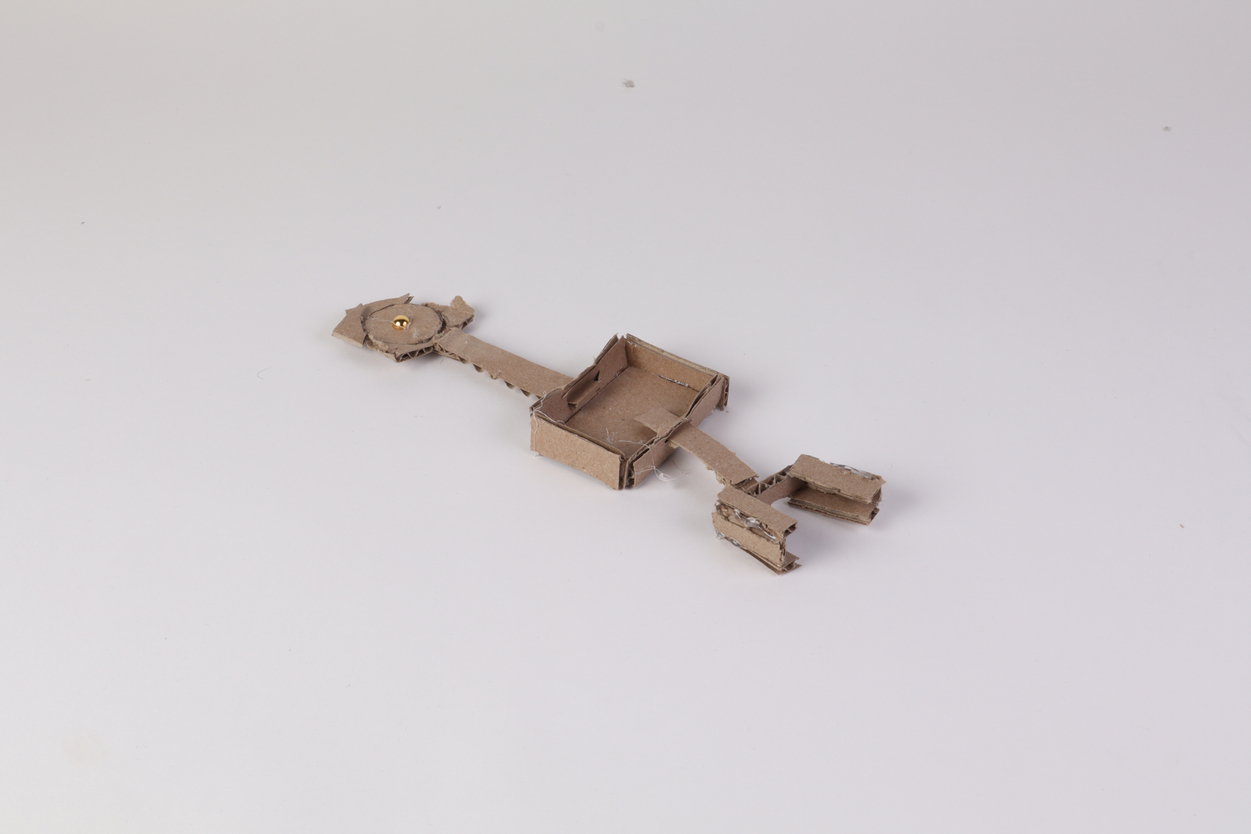
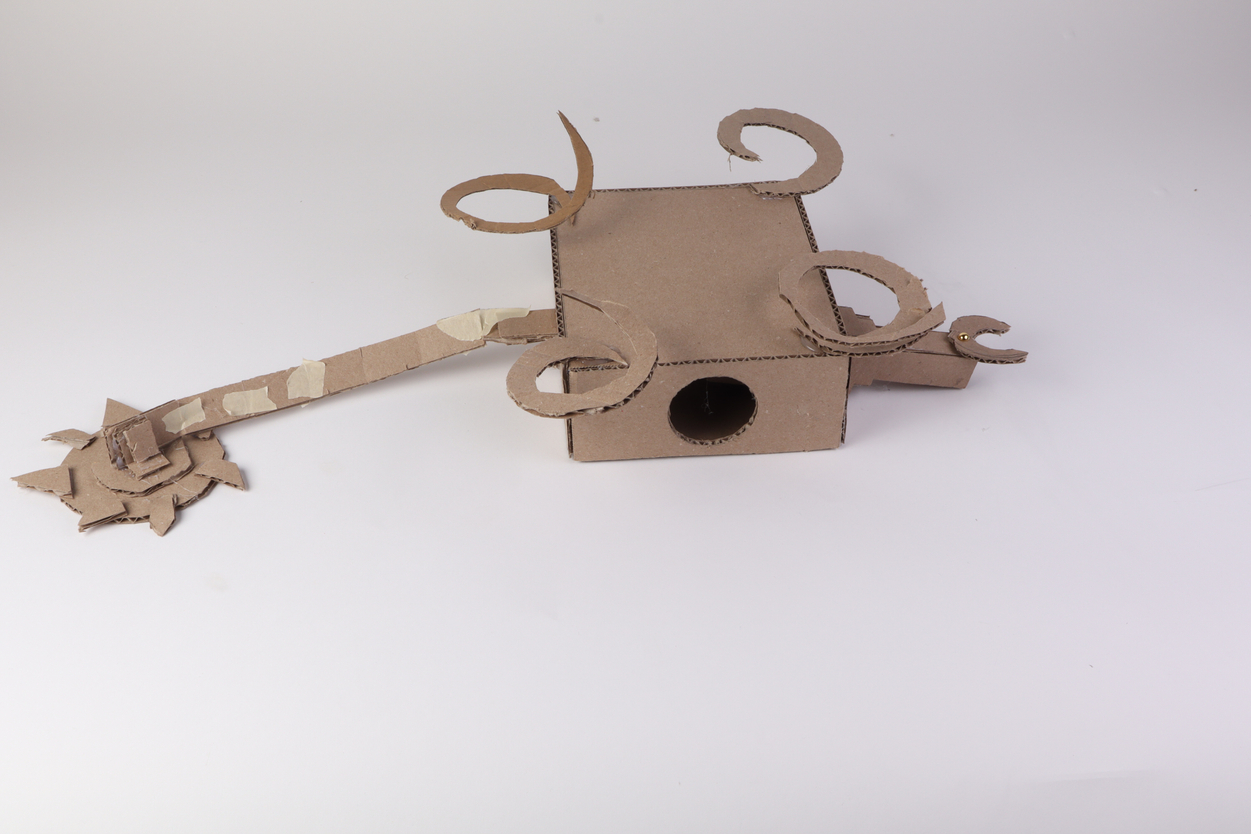
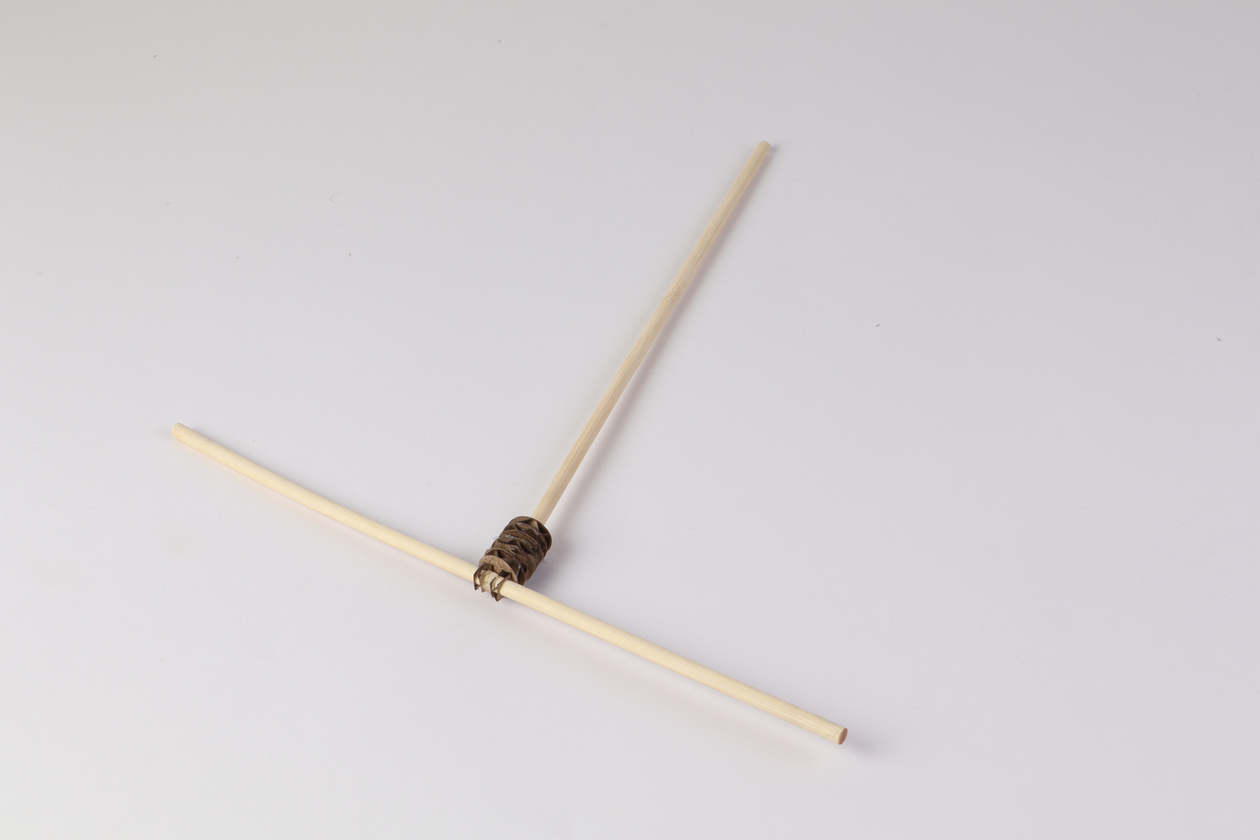
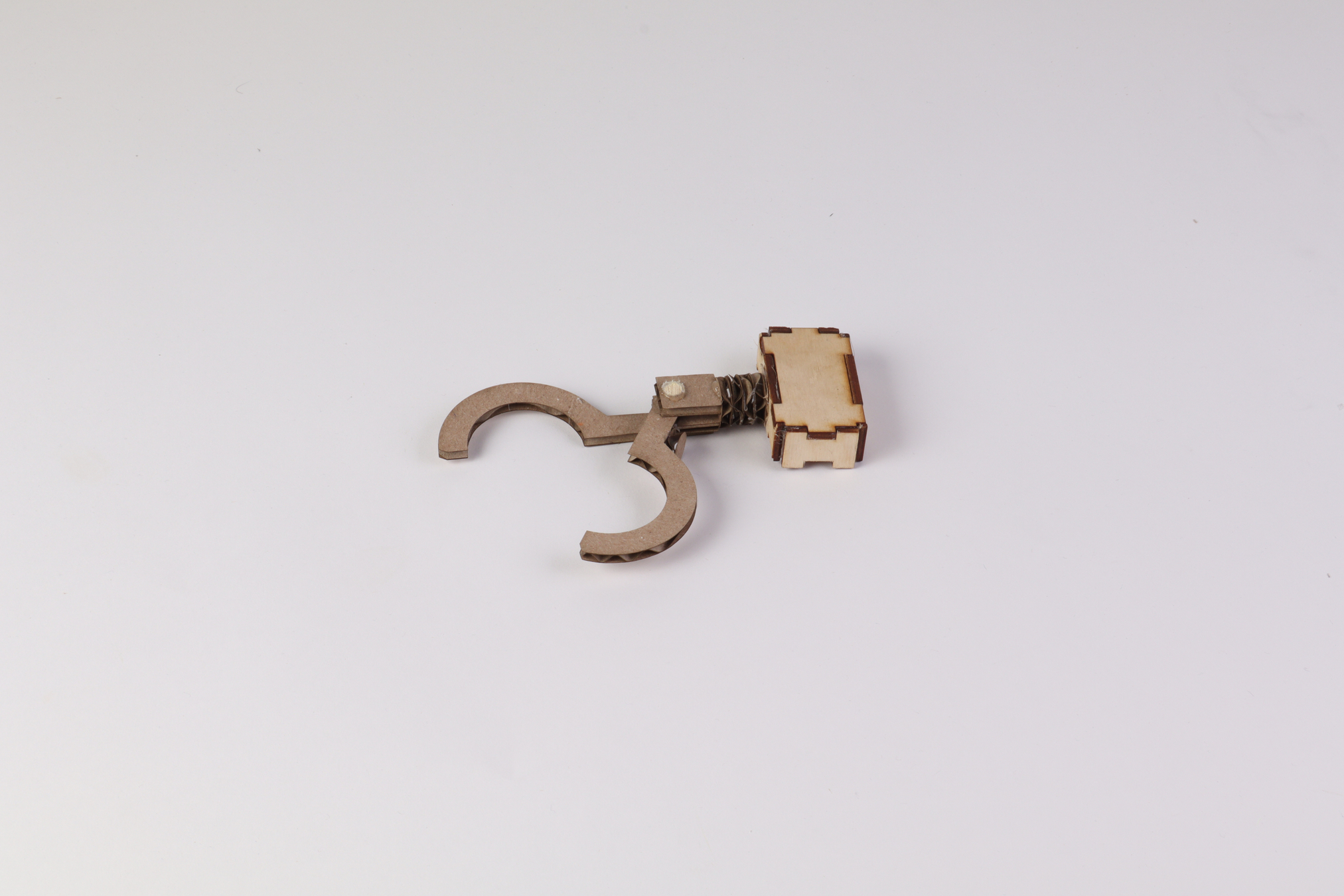
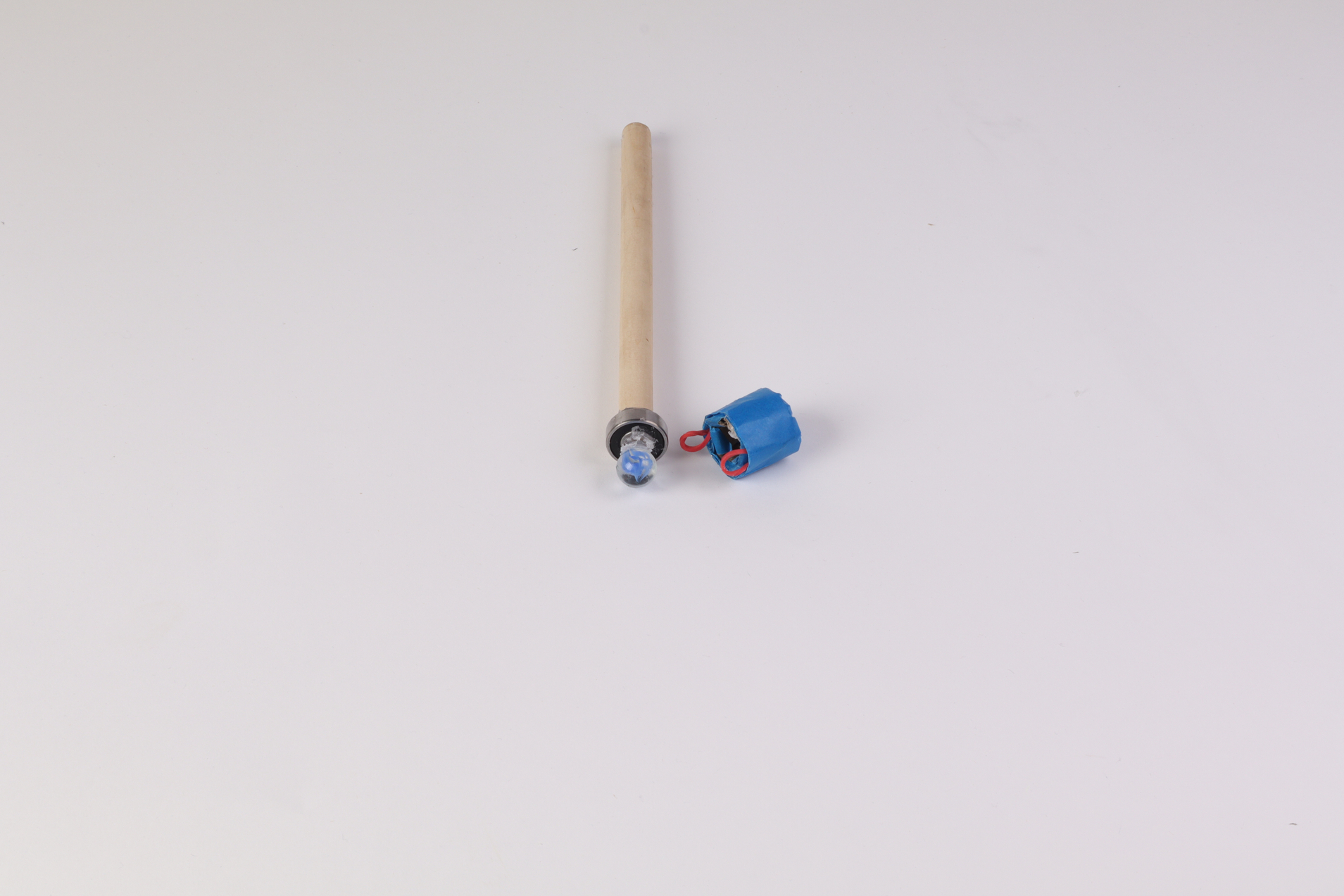
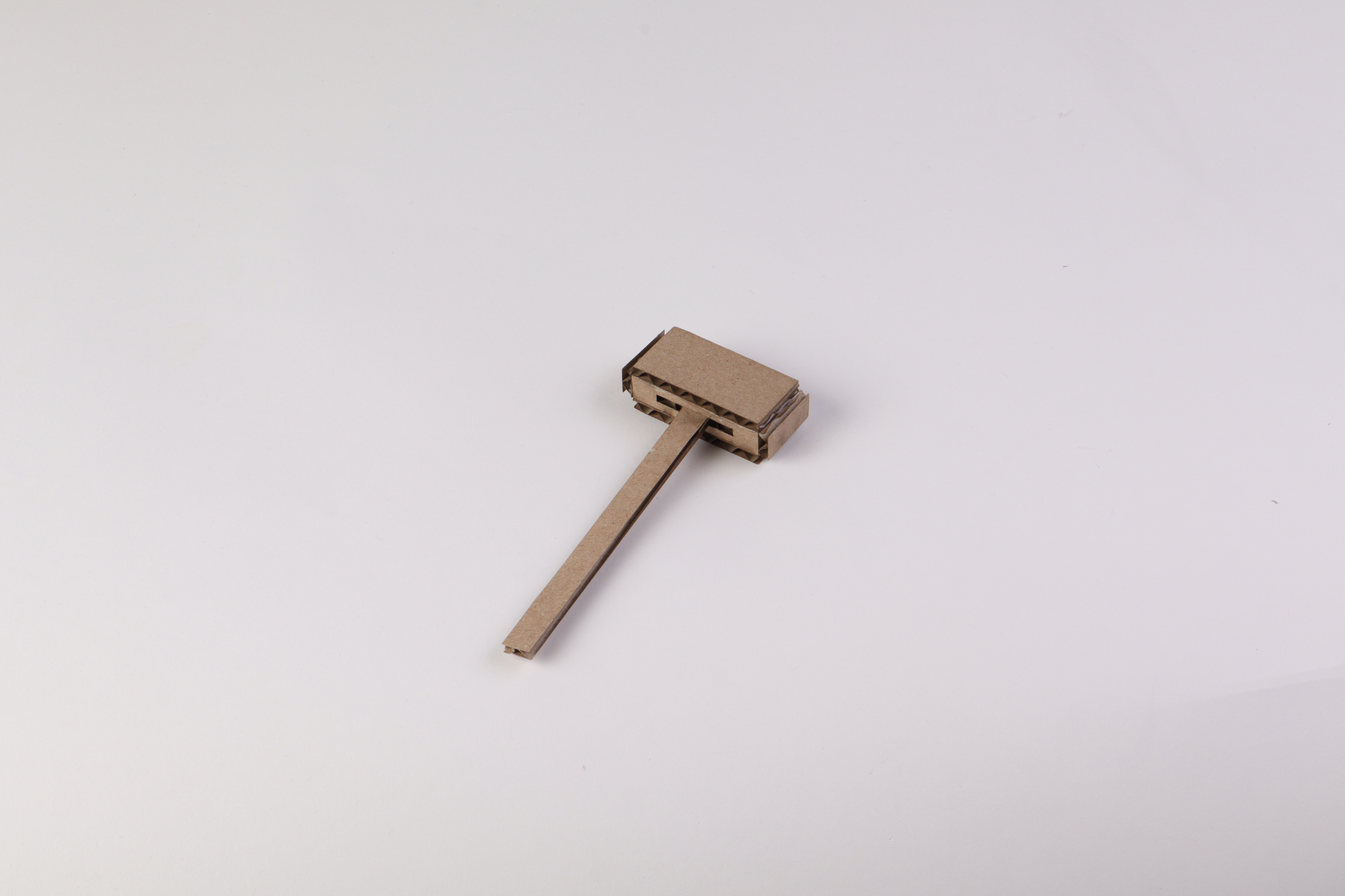
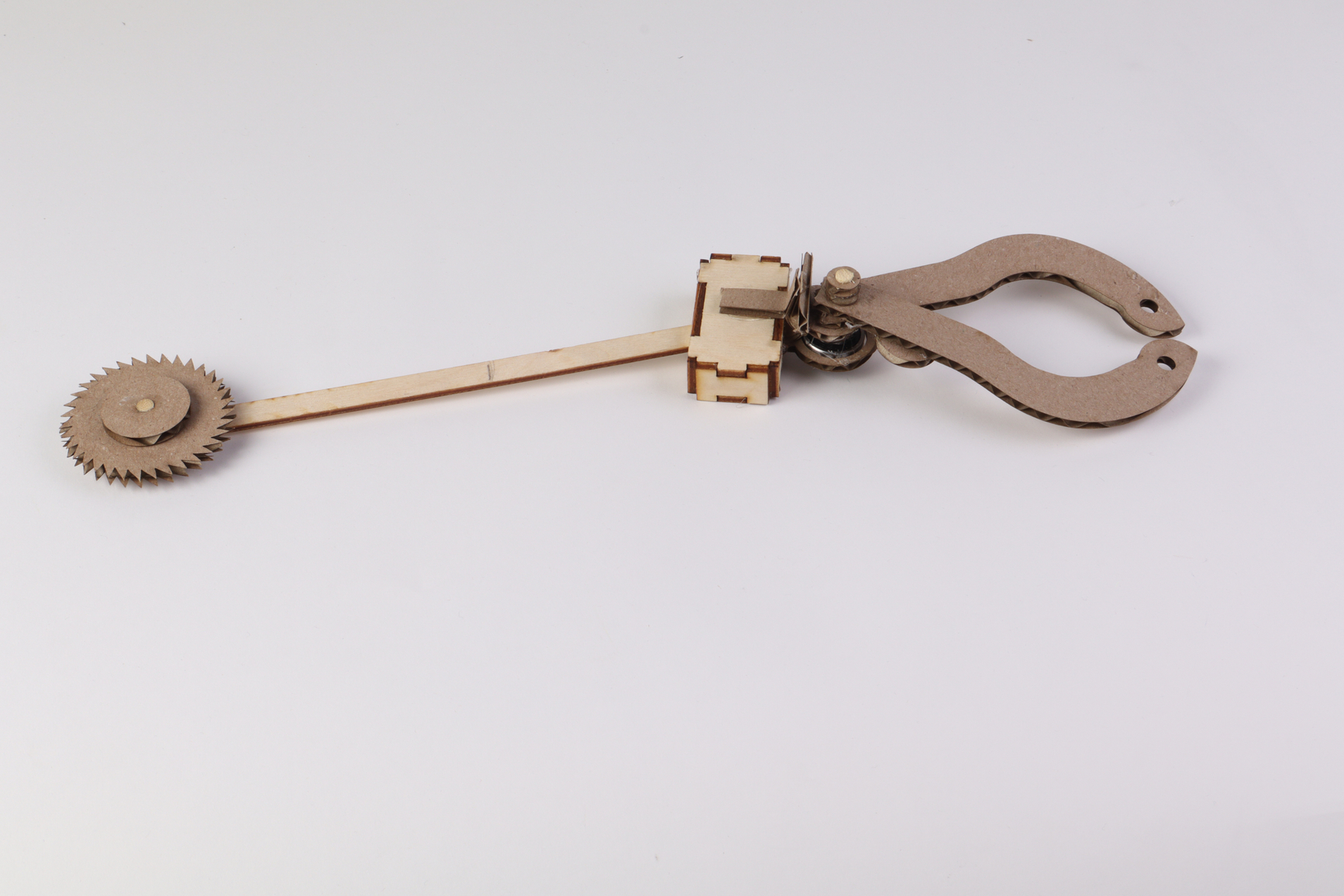
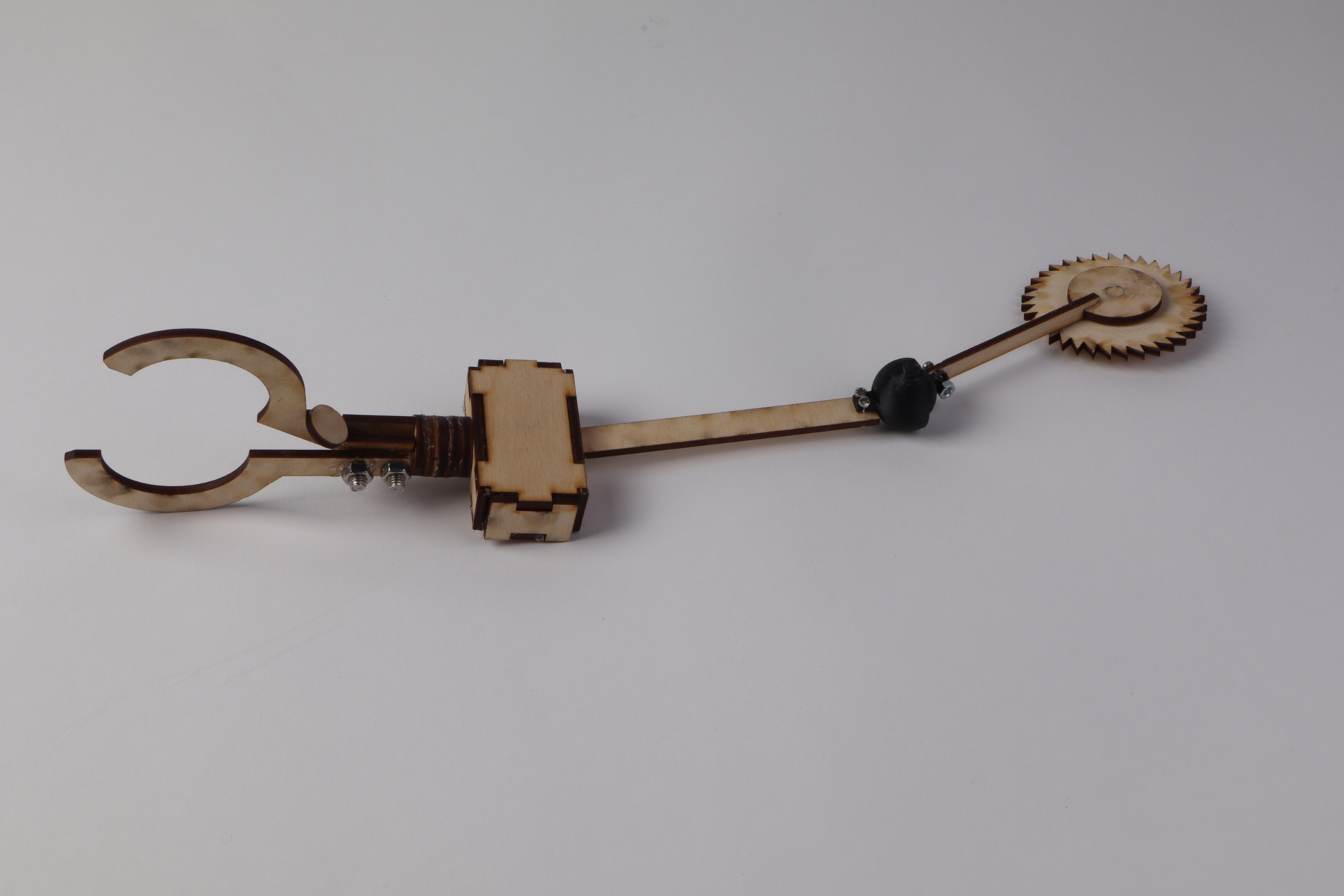
We tried several ideas before developing the claw, saw arm, and ball-and-socket joint. The photos show our prototypes, not a device proven to work in the field.
Explore the NuVu projectBeavers reshape their surroundings by cutting vegetation and damming streams. The wetlands they create can support other wildlife and retain water and sediment. Those changes also transform existing habitats: prolonged flooding can kill some vegetation, and dams near developed land can affect roads, crops, and property. The effects depend on the location and the species and land uses involved.
Our research led us to the problem of shade limiting young tree growth. We proposed that improving the food supply might help beavers stay in suitable habitat instead of moving into places where conflicts with people are more likely.
Canopy Clearer was our way of exploring that idea. We'd need ecological advice and field testing to find out whether it would actually help the habitat or reduce conflicts.
Environmental context: National Park Service: beavers and habitat · U.S. Fish & Wildlife Service: coexistence and conflict · Research on flooding and vegetation change. The food-supply proposal comes from our NuVu presentation.
Research, making, and revision at NuVu
We began with research into beavers and their habitats. In the second week, we developed ideas and early models for critique. After that, we worked on fabrication, CAD, revisions, and our final presentation.
About NuVu’s creative processWe started with a broad question: how could we design for beavers while considering the other species and people around them? We narrowed it down to food availability and the sunlight young trees need.
We researched tree growth, shade, branch trimming, and ways to reach high branches. Our sketches compared a drone saw, a device that could climb a trunk, and a pole cutter. We settled on an attachment with a gripper and cutting arm.
We made an early model to test the overall idea, then improved it before working on the individual mechanisms. Building helped us figure out how the parts might fit together.
After critique, we kept working on the claw, its rotating mechanism, the saw arm, and the ball-and-socket joint. We moved between CAD and physical models as we revised the design.
Our final prototype brought the gripping mechanism and cutting arm together. It shows the idea we developed, but flight, cutting performance, and effects on the habitat would still need testing.
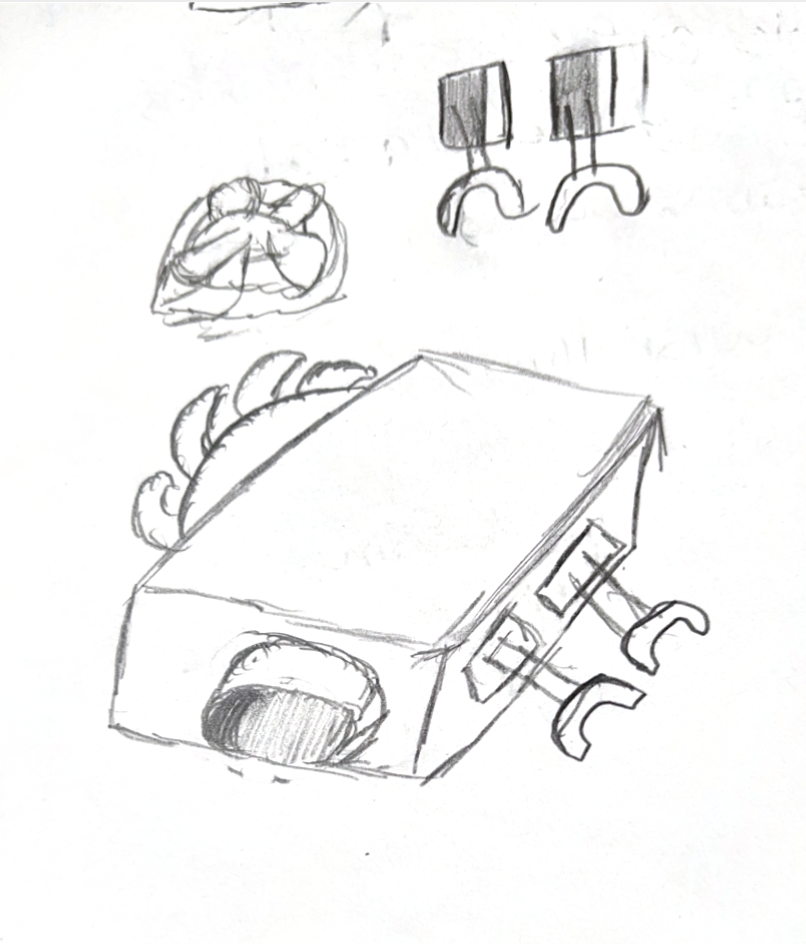
This was a team project with Adyana.
Ball-and-socket joint iterations
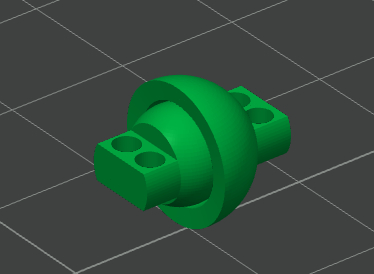
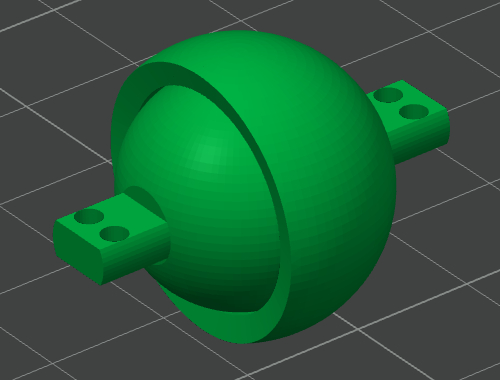
Build photographs from our NuVu presentation