01 / Framing the learning challenge
We wanted players to learn about a ball's flight by experimenting. Instead of just telling someone what changing the angle does, could we let them try it and see?
02 / NuVu
Max and I made a physical launcher and a digital game to explore how changing variables affects a ball's flight.
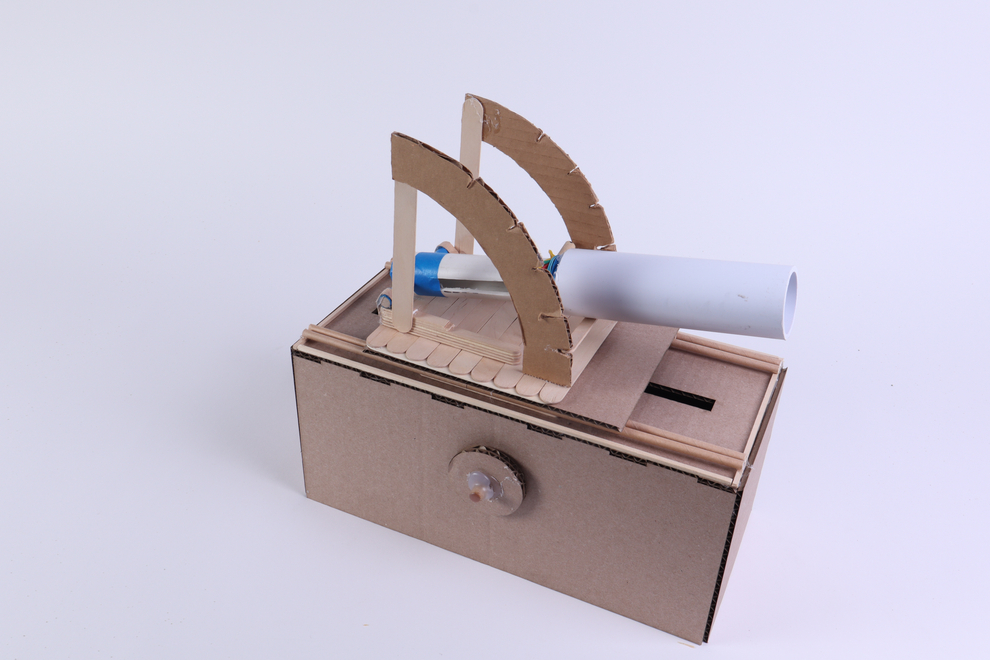
From our NuVu presentation.
We made Ball Blast in Gamified Learning: Designing the NuVu Experience. The studio asked us to think about how games can teach people to experiment, work together, and improve an idea.
The studio drew on Seymour Papert's Mindstorms and the idea of learning by making things. We also looked at motivation: what makes someone want to keep trying, beyond earning points? The brief took inspiration from MIT's Design and Development of Games for Learning and Harvard's Digital Fabrication and Making in Education.
Max and I focused on physics. We wanted players to change a variable, watch what happened, and try again. The physical launcher and digital game gave us two ways to explore that.
These courses were references for the NuVu studio, not courses I took.
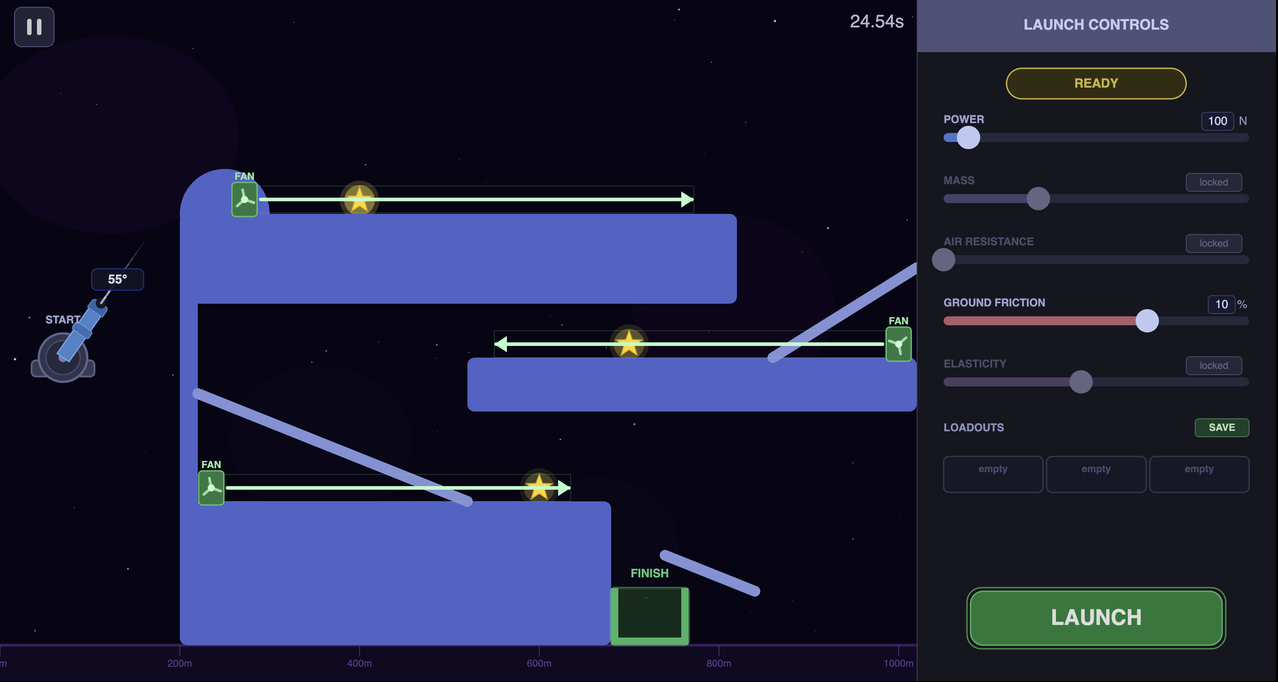
We developed physical and digital versions of Ball Blast. In the digital game, you adjust variables, get past obstacles, collect stars, and try to land the ball in a bucket.
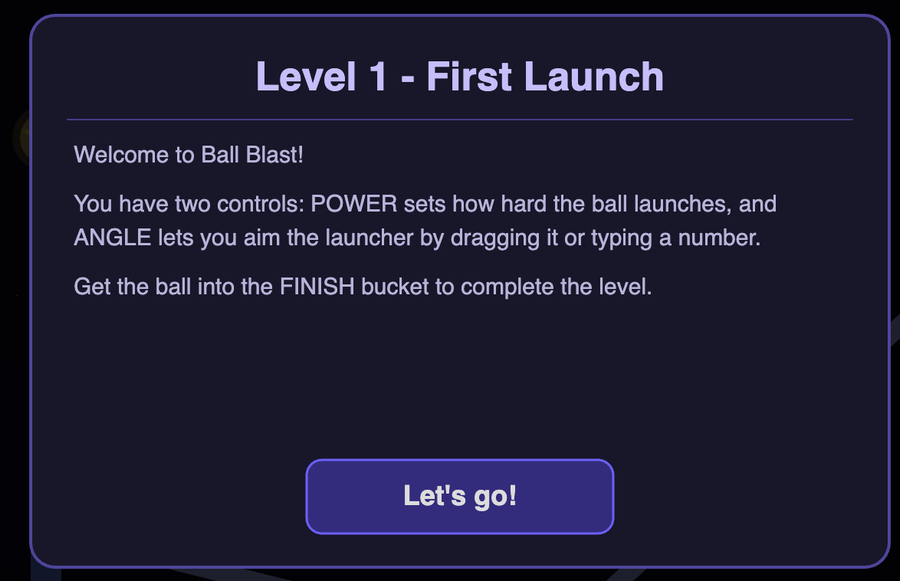
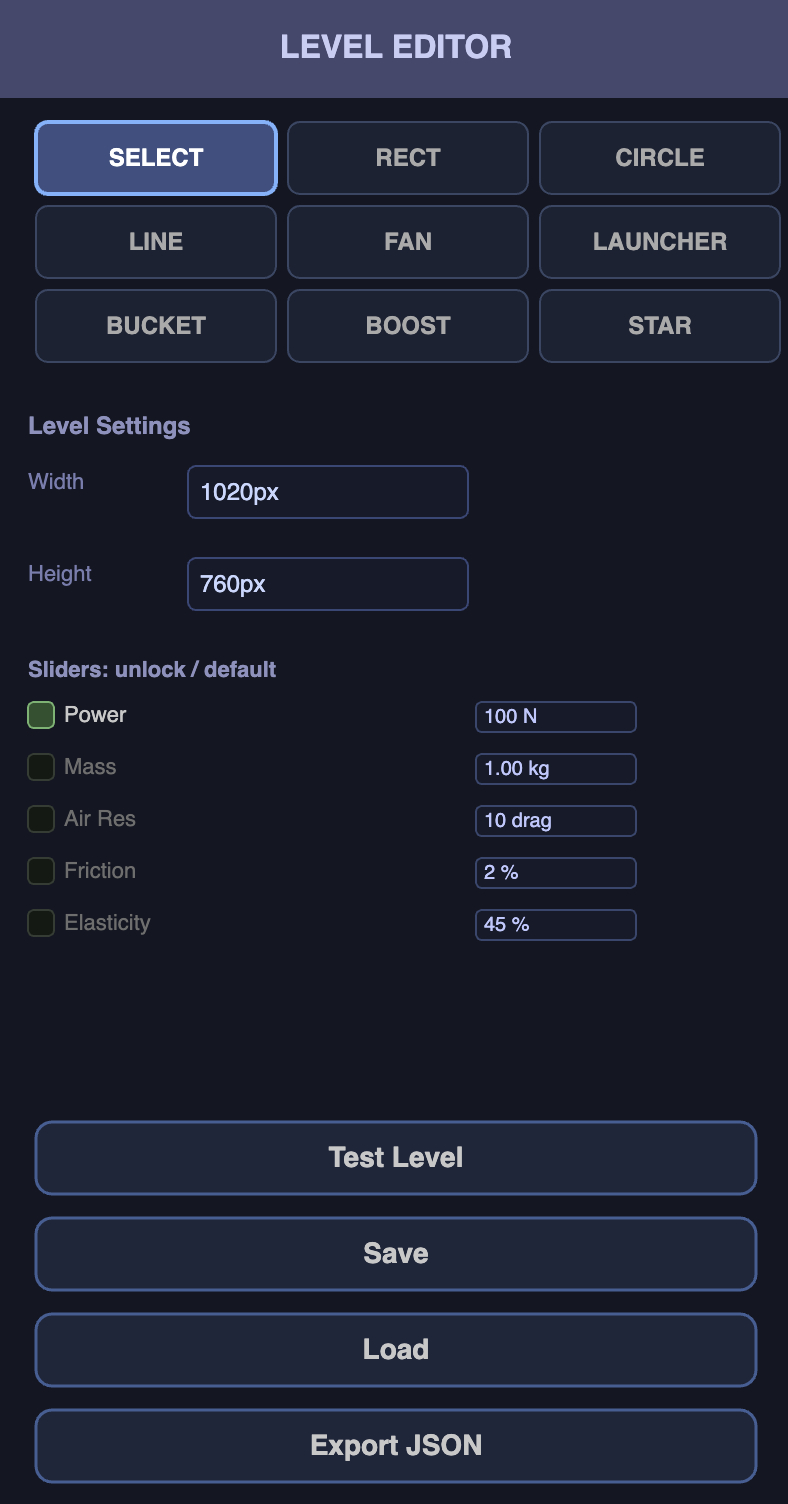
Testing showed us that we were introducing too much at once. We added prompts across the first five levels so players could learn gradually. We also added a level editor so they could make their own challenges.
Explore the NuVu project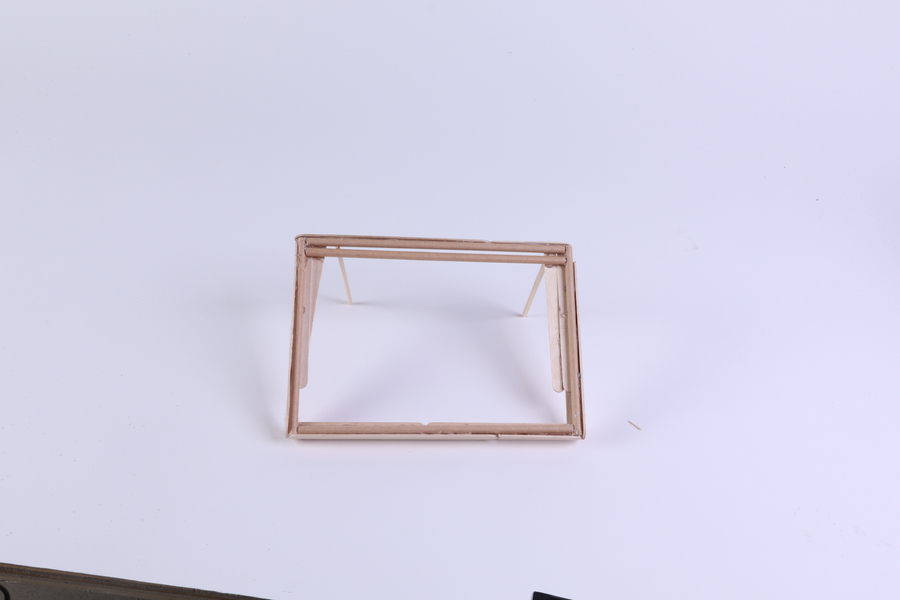
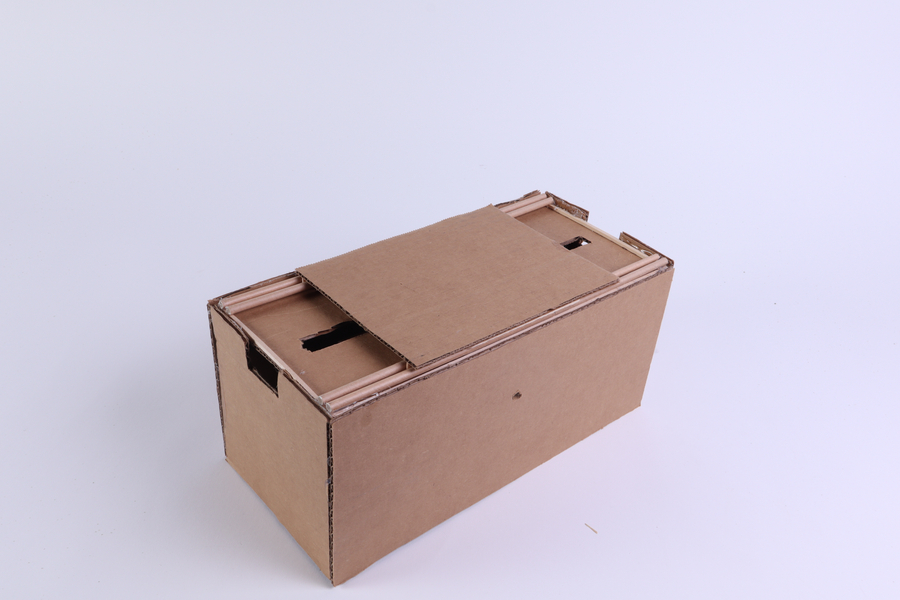
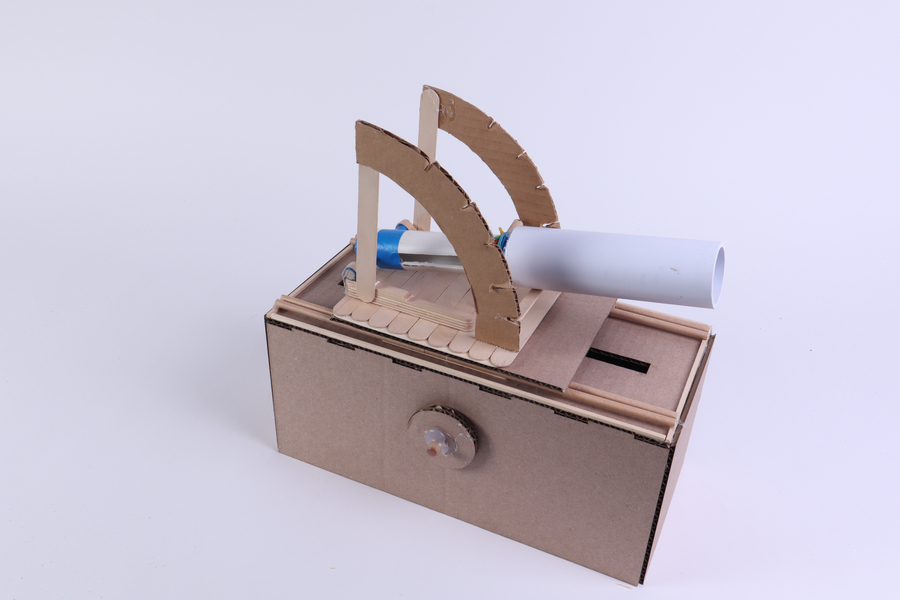
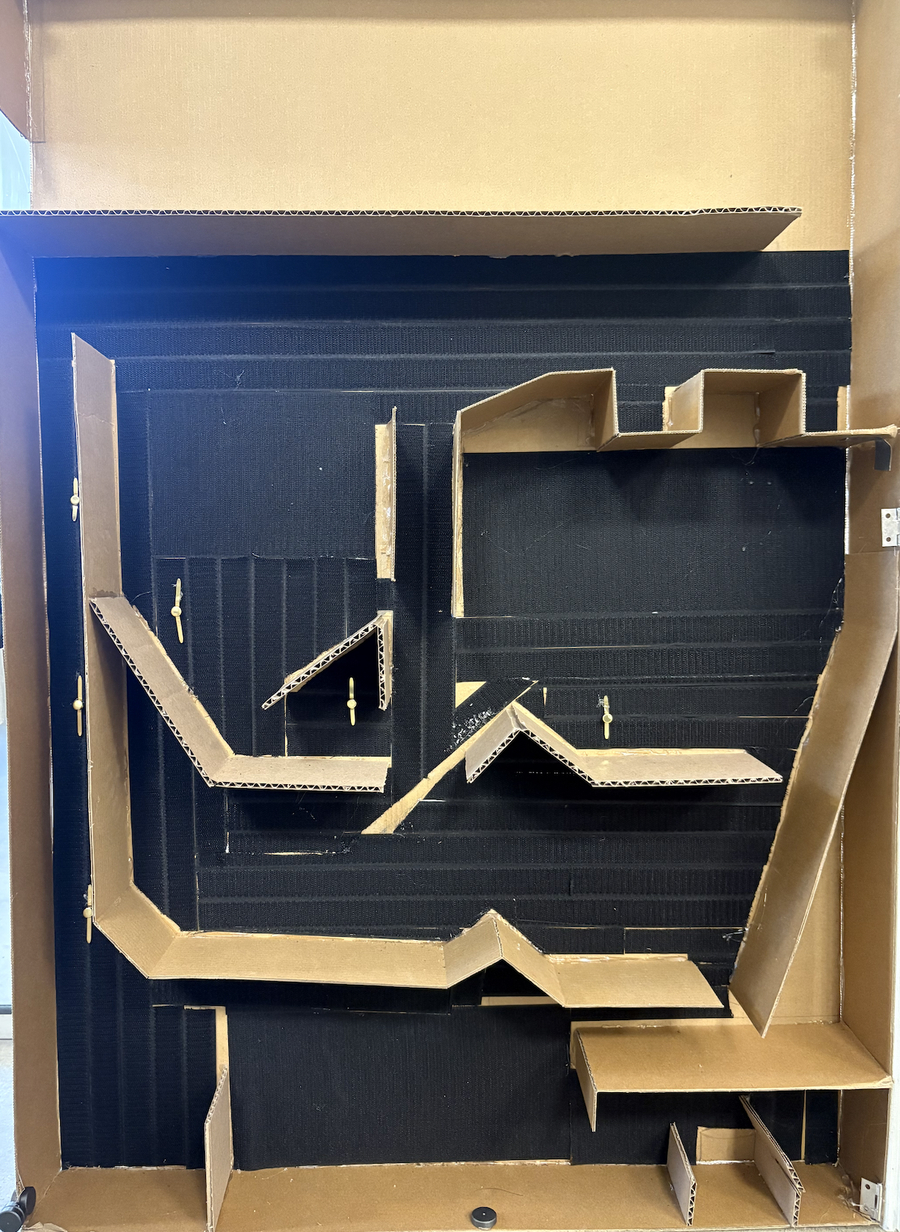
I worked on the physical build. These photos are from our NuVu presentation.
Research, making, and revision at NuVu
We started by researching how games teach and what keeps players interested. Then we built prototypes, tested them, listened to feedback, and revised the game before our final presentation.
About NuVu’s creative processWe wanted players to learn about a ball's flight by experimenting. Instead of just telling someone what changing the angle does, could we let them try it and see?
During the first two weeks, we researched learning, motivation, and game design. We looked at Angry Birds, Love Balls, and Learn 2 Fly, then sketched paths and obstacles for our own game.
I built the physical launcher and maze. Our project also included a digital game with controls for power, mass, air resistance, friction, elasticity, and launch angle. Both versions gave players a way to test what happens when they change something.
Players found the controls overwhelming at first. They also wanted more levels and more freedom to create, and some levels were much harder than others. That feedback helped us decide what to change.
We spread the tutorial across the first five levels and added a level editor for making and sharing challenges. Our final presentation showed the physical build, digital game, and the changes we made after testing.
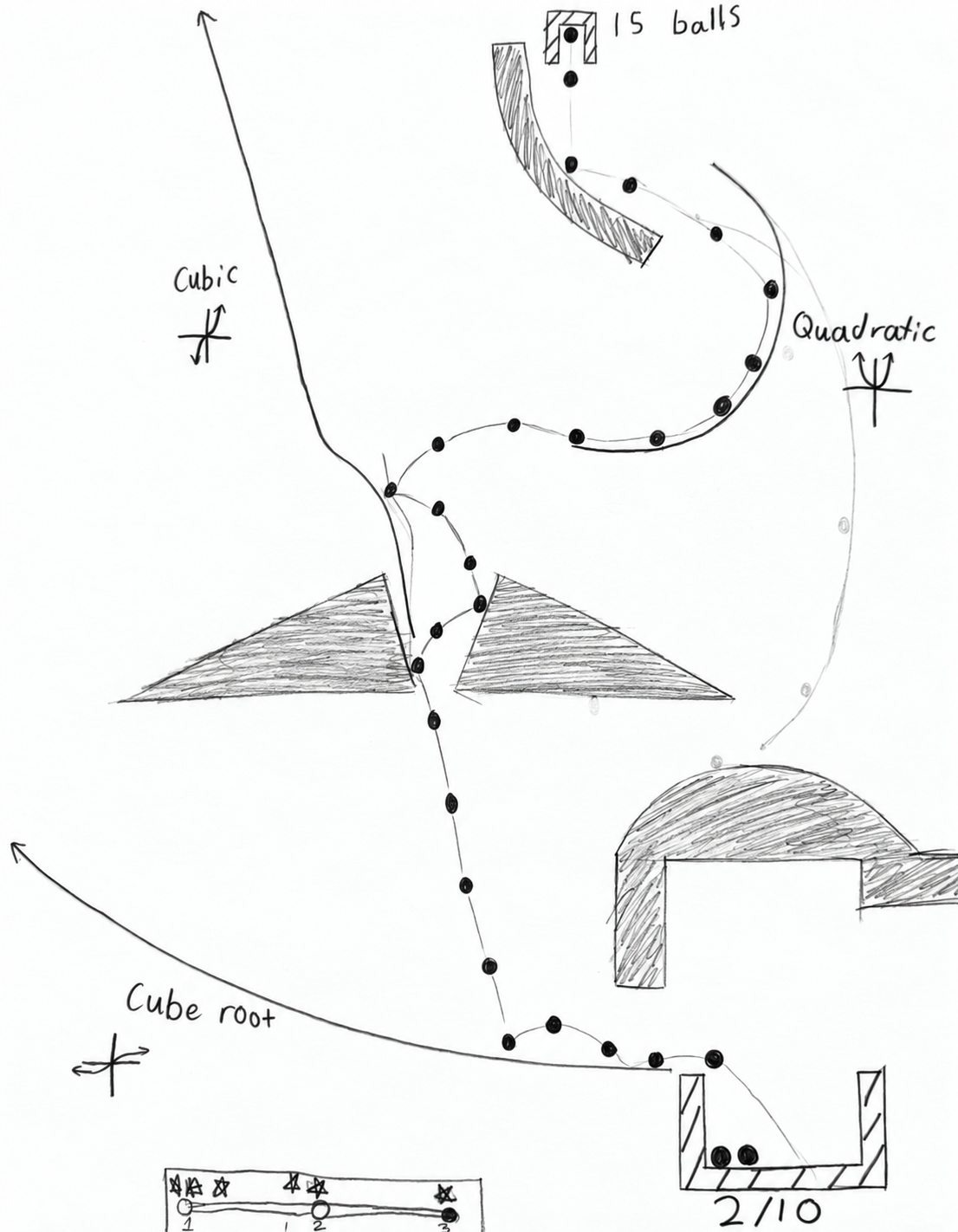
Images and process notes from our NuVu presentation.